Demurrage and detention are the most avoidable costs in importing, and among the most reliably incurred. They are charged for time, they compound daily, and by the time an importer notices them the meter has usually been running for several days. This article explains what each charge actually is, who levies it, and the specific decisions that stop them accruing.
Two different charges, two different counterparties
The terms are used loosely in conversation and they are not interchangeable. Confusing them is the reason importers sometimes solve one problem while the other keeps charging.
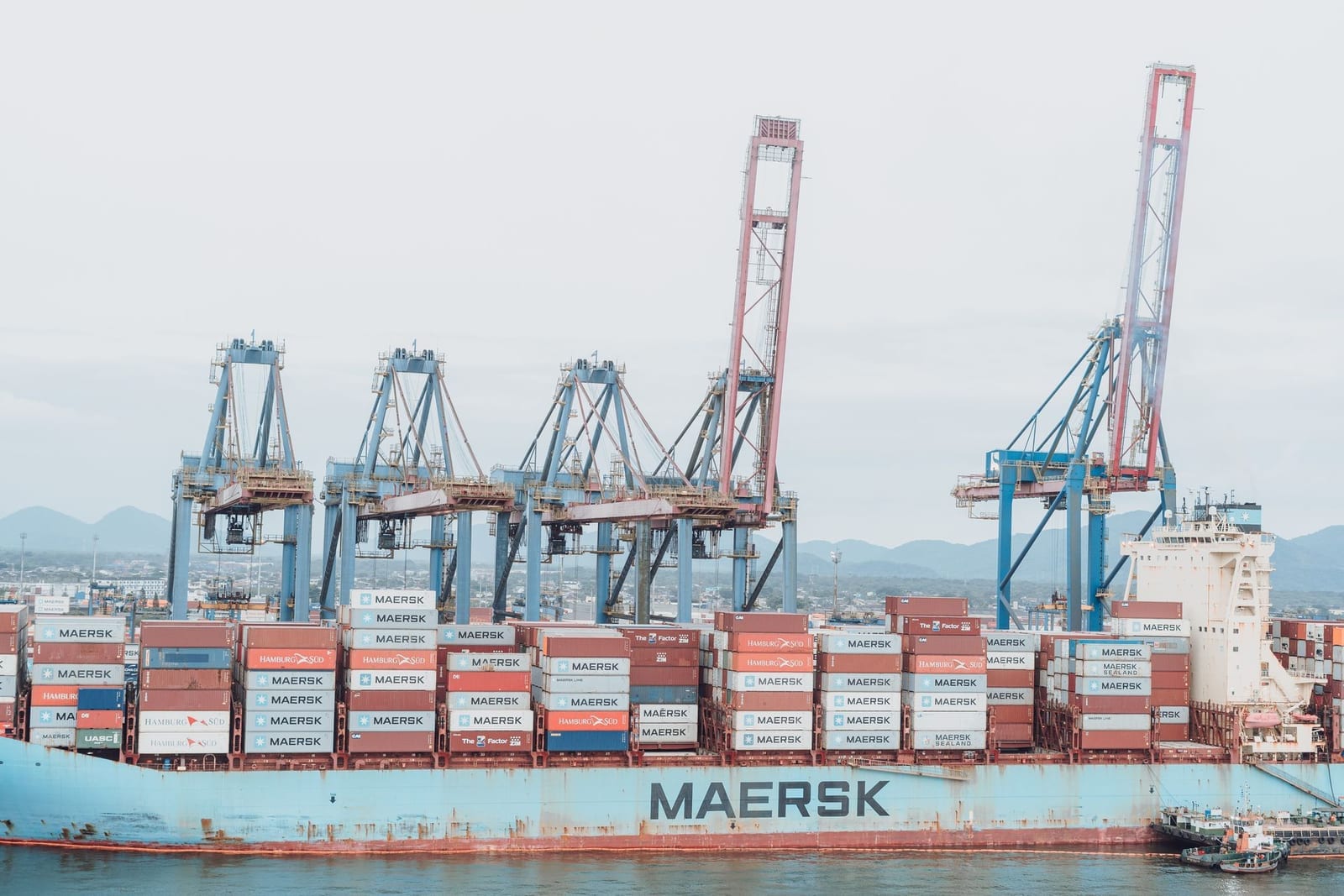
- Demurrage is charged for cargo occupying the terminal beyond the free storage period. The counterparty is the port or terminal operator, and the charge relates to space.
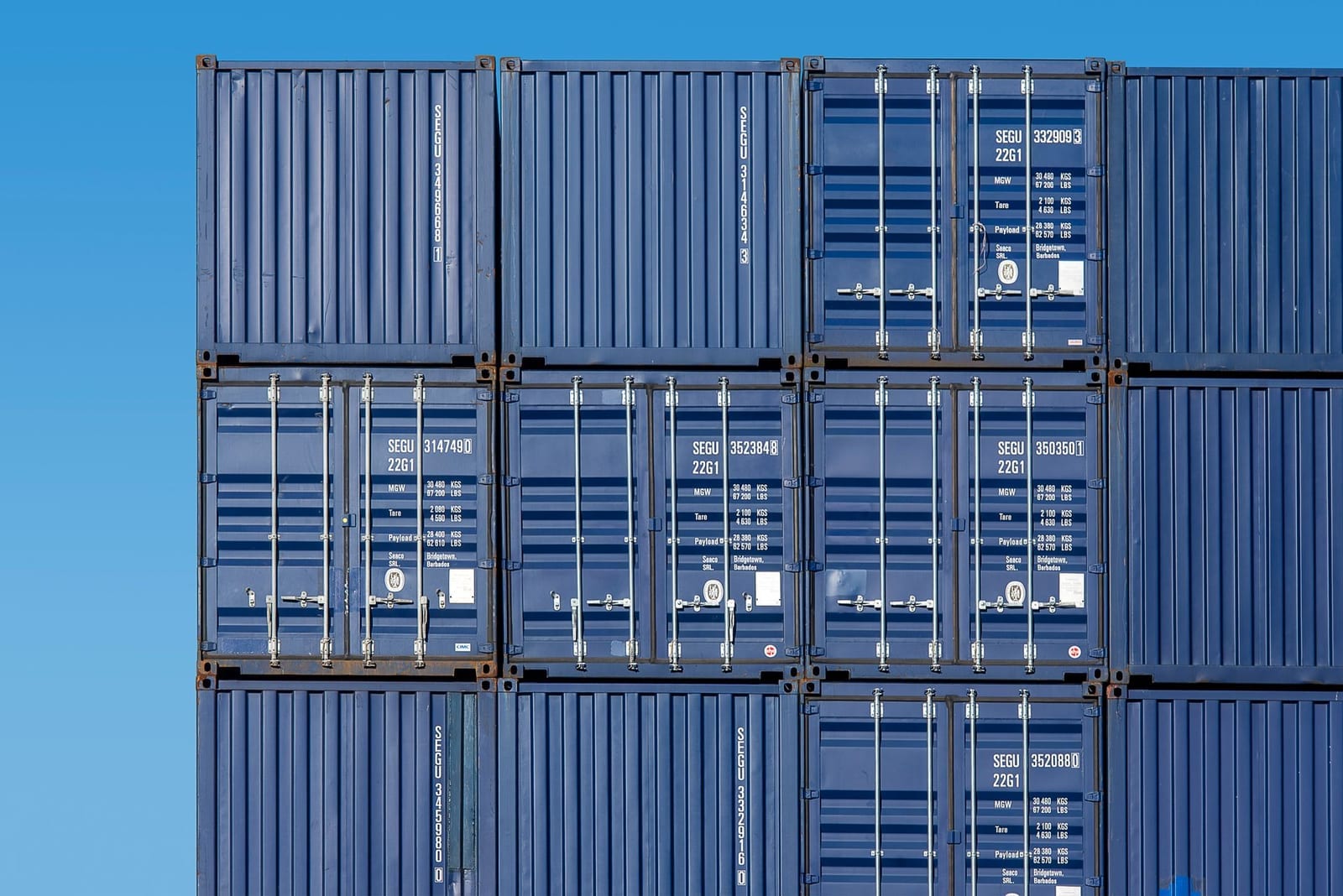
- Detention is charged for holding the shipping line's container beyond the agreed free time. The counterparty is the carrier, and the charge relates to equipment.
They run on separate clocks with separate free periods, and a single consignment can incur both at once — demurrage while the box sits inside the terminal, then detention after it leaves but before the empty is returned. Resolving a customs hold stops the first from growing but does nothing about the second if the container then sits at your warehouse for a week.
Where the free time actually goes
Free days sound generous until you map them against what has to happen. The period typically begins on or shortly after discharge, and the clock does not pause for weekends, public holidays, missing documents or a regulatory approval that has not been applied for.
Consider the sequence that has to complete inside it: documents received and checked, declaration filed, assessment completed, any regulatory release obtained, examination if selected, duty paid, delivery order collected, transport arranged, container lifted and returned. Any one of those stalling for two days consumes a meaningful share of the allowance.
The causes, in the order they cost most
- Regulatory approvals started after arrival instead of before shipment
- Original Bill of Lading still in transit, so the cargo cannot be released
- Documentary inconsistencies that trigger queries and re-submission
- Classification or valuation disputes that suspend assessment
- Duty payment delayed by internal approval or funding
- No inland transport booked, so a cleared container waits in the yard
- Empty container returned late after unloading at the consignee's premises
The pattern is consistent: almost every cause is a scheduling failure rather than an operational one. The work was always going to be needed; it simply was not started early enough.
How to stop the charges before they start
Preparation before arrival is the whole game. Concretely, that means the documentary file complete and checked while the vessel is still sailing, every regulatory application submitted before shipment where the approval can be obtained in advance, duty funding approved internally so payment is not waiting on a signature, and inland transport provisionally booked against the expected release date.
The release method for the Bill of Lading deserves separate attention because it causes so much avoidable loss. Agreeing a telex release or a seaway bill with the supplier at the order stage removes an entire category of risk: the cargo can never be waiting on a courier envelope.
Negotiating better free time
Free days are contractual, not fixed by nature. Importers with regular volume can negotiate extended free time with carriers, and it is one of the more valuable concessions to ask for because it directly buys operational slack. Where your cargo routinely needs a regulatory release that takes longer than standard free time, extended terms are not a luxury — they are the difference between a predictable cost and a recurring penalty.
It is also worth understanding your own pattern. If detention keeps appearing after delivery rather than before, the problem is at your warehouse, not at the port, and the fix is unloading capacity or return logistics rather than faster clearance.
If the charge is already accruing
First, establish which charge is running and with whom, because the remedy differs. Second, identify the single blocking item, since there is usually only one. Third, deal with the blocking item rather than the symptom: chasing the terminal about storage will not help if the actual obstacle is an unissued regulatory approval.
Where a delay was caused by circumstances outside the importer's control, some carriers and terminals will consider a waiver or reduction, particularly for regular customers. It is worth asking, with a documented account of what happened, but it is not a plan.
Building the cost into your pricing
Some port time is not avoidable. If your product needs a laboratory test on arrival, or a regulatory release that is only issued against the landed consignment, then a certain number of days in the terminal is a structural feature of importing that product rather than a failure of execution. The mistake is not incurring the charge; it is failing to price it.
Importers who bring the same category repeatedly should know their own distribution: the typical clearance time, the realistic worst case, and what the storage and detention cost at each. Built into the landed cost at quotation stage, it becomes a predictable line item. Discovered afterwards, it becomes an unexplained margin gap that gets blamed on freight rates.
Who pays, and why the Incoterm matters
Responsibility for these charges follows the delivery term, and it is a frequent source of dispute. On terms where the seller delivers to a destination point, the seller may bear costs up to that point but rarely bears delay caused by the buyer's clearance or the buyer's regulatory approvals. On terms where the buyer takes over at origin or on board, port charges at destination are unambiguously the buyer's.
Where a supplier offers delivered-duty-paid terms, the arithmetic is often less attractive than it appears precisely because the supplier prices in a generous allowance for exactly this risk. Understanding Incoterms is therefore not an academic exercise: it determines whose problem a stalled container is, and who is paying for it.
ASC Freight tracks free-day expiry against clearance progress on every consignment it handles, and coordinates customs clearance with road freight so the container is not waiting on transport that was never booked.
- demurrage
- detention
- port charges
- free days
- Karachi port