
01
Expertise
An experienced team with in-depth knowledge of import regulations, HS classification and clearance procedures.
Computers and IT equipment · Freight forwarding
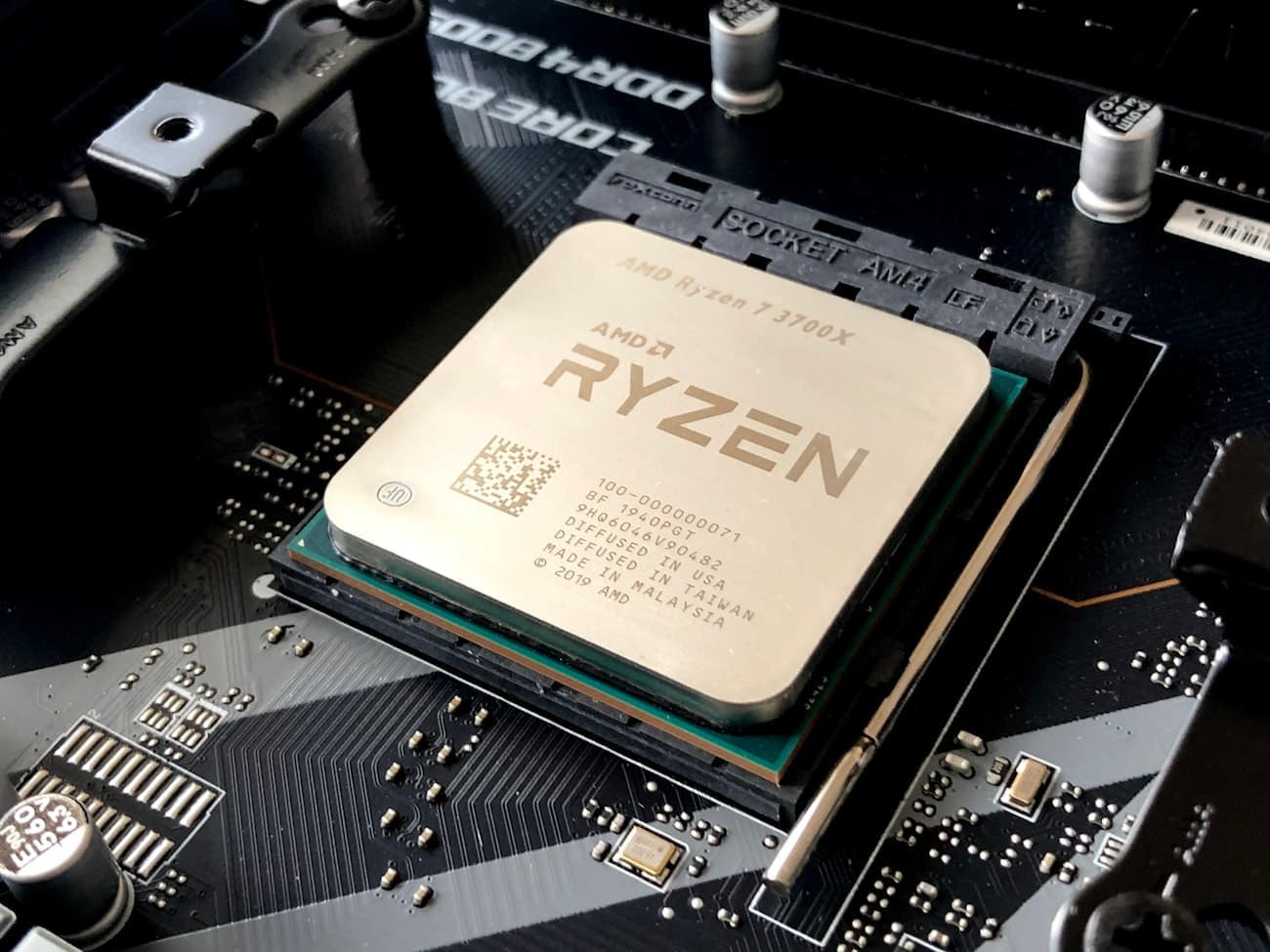
ASC Freight ships computers, laptops, servers, networking gear and storage by air and sea. We compare air and sea against your delivery date, plan anti-static and shock-resistant packing, arrange insurance, and deliver to offices, data centres and warehouses. Customs filing is coordinated with the licensed brokers of our parent company, Arshad Sualeh Corporation.
What we handle
Every consignment type this desk files, examined and released under the correct regulatory workflow.
Efficient clearance of desktops, laptops, workstations and related accessories.
Clearance of servers, routers, switches, firewalls, hard drives, SSDs and storage arrays, generally exempt from PTA type approval.
Clearance of phones, tablets and wireless devices that require PTA type approval and CoC.
Clearance of monitors, printers, scanners, UPS and other IT peripherals and accessories.
Assistance preparing and verifying all import documents as per PTA and customs requirements.
We handle the PTA Certificate of Compliance where telecom and wireless devices require it, with full compliance with the applicable laws of Pakistan.
IT equipment is compact, valuable and easy to damage, which makes it a different job from bulk cargo. ASC Freight is the freight forwarding arm of the group that includes Arshad Sualeh Corporation, and we plan these shipments around three concerns: protecting the hardware in transit, keeping every document consistent with the physical cargo, and delivering to a site that is ready to receive it. Our customers range from resellers bringing in pallets of laptops to integrators moving racks, switches and storage for a single project. Each needs a different mix of transport mode, packing and delivery handling, so we start by asking what is in the boxes, how fragile and valuable it is, and when the receiving site needs it.
We offer freight forwarding, sea freight in FCL and LCL, air freight, road freight, warehousing and project logistics, so one forwarder can coordinate the chain from the supplier's dock to your door. Customs filing and type approval are not part of our freight work. They are handled by the licensed brokers of our parent company, Arshad Sualeh Corporation, who work from the same shipment file. This page describes how the cargo itself is moved, packed, stored and delivered, so that you can see what to expect from us before the goods leave the supplier and what information we will ask you for at each stage of the booking.
The choice between air and sea for IT hardware usually comes down to value, urgency and volume. Air freight suits laptops, servers, networking modules, storage drives and replacement parts, where the cargo is high in value for its weight and a late delivery can stall a project or leave a shelf empty. Sea freight suits larger and steadier volumes such as monitors, printers, desktop systems and bulk peripherals, where weight and bulk make air freight expensive. Many importers split a single order, sending urgent or high-value items by air and the balance by sea. Sea transit also means longer exposure to humidity, so packing must be planned for it. We compare both options against your delivery date and budget before booking, and we quote on the actual cargo details rather than assumptions.
Most damage to IT equipment happens through rough handling and poor packing rather than during the voyage itself. As general practice, components such as drives, memory, boards and network cards should travel in anti-static bags inside their original retail or manufacturer cartons. Servers and switches are best kept in factory packaging with the foam end caps intact. Cartons should be palletised, stacked within the pallet footprint and wrapped tightly, with corner protection where the load is tall. Heavy items belong at the bottom and fragile screens should be kept upright and not pressed under other cartons. For sea freight, moisture barrier bags and desiccant help against condensation inside the container. We check the packing instructions with the shipper before cargo is collected and ask for photographs of palletised loads when the goods are valuable or fragile.
A single pallet of servers or laptops can carry a very high value in a small space, so security matters from the first handover. Practical measures include sealed cartons, banded and wrapped pallets, sealed containers with a recorded seal number, and plain outer packaging that does not advertise the contents. For road legs, we plan collection and delivery to avoid cargo sitting unattended in a loaded vehicle. Insurance is a separate decision from the freight rate, and carrier liability is limited in most cases, so cargo insurance against loss and damage is worth considering for IT shipments. We can discuss cover with you, including what value to declare and what records the insurer will expect. Photographs at loading, accurate carton counts and clear receiving notes at delivery all help if a claim ever becomes necessary.
Container choice should follow the volume of the order and how quickly the stock needs to move. FCL gives you a container to yourself, which means fewer touchpoints, one seal and less handling of cartons, and it usually suits larger orders from a single supplier. LCL shares a container with other shippers, which makes sense for smaller orders that would not fill a box, though cargo is handled at the consolidation and deconsolidation warehouses and delivery waits for the full container to be unloaded. For electronics, fewer handling points is a real advantage, so we often suggest FCL once an order reaches a sensible fraction of a container. We ask for carton counts, dimensions and weights from the packing list so we can compare both options honestly and advise on which gives the better balance of cost and care.
IT shipments depend on accurate paperwork more than most cargo, because the same model can appear in several configurations and every unit may carry its own serial number. The packing list should show carton numbers, quantities per carton, gross and net weights, dimensions and, where the supplier provides them, model and serial numbers per unit. These details must agree with the commercial invoice and the transport document, and the physical cartons should be marked so they can be matched to the list. Mismatches cause delays at the terminal and hold up delivery. We review these documents when they arrive and flag differences to the shipper while changes can still be made cheaply. The same records let a consignee check units against the list at receiving. Customs filing from these documents is done by the licensed brokers of Arshad Sualeh Corporation.
Karachi receives IT cargo through the container terminals at Karachi Port, the terminals at Port Qasim and the air cargo facilities at the airport, and each has its own working pattern. At the seaport, containers are discharged, held in the yard and moved out by truck, so planning pickup around release and terminal hours keeps containers from waiting. Air cargo is smaller in volume but arrives with tighter delivery expectations and is collected from the cargo terminal once documents are in order. In each case we coordinate transport, terminal paperwork and delivery with the clearance team so the physical move follows the file. Because IT cargo is theft-sensitive, we prefer short dwell times and supervised loading, and we check the condition of cartons and seals when cargo is collected, noting any damage before it leaves the terminal.
Where the cargo is going affects how it should be delivered. A data centre may ask for named delivery slots, vehicle details in advance, a loading dock and staff to check rack-mounted equipment as it arrives. An office building may limit delivery hours, restrict truck size and need a lift booking. A reseller's warehouse needs stock unloaded and counted quickly. We ask for the delivery address, contact person, site access rules and preferred time window before dispatch, and we book a delivery appointment where the site requires one. The vehicle is chosen to suit the load and the access, and cartons are checked against the packing list at handover. Any visible damage or shortage should be noted on the delivery receipt at the time, which protects both your claim and your supplier relationship.
Not every IT order is needed in one place on one day. A reseller may take in a full container and sell it over several weeks, and a project may need equipment delivered to different sites in phases. Warehousing lets stock be received, counted, stored and released in stages, instead of forcing the buyer to accept the whole consignment at once. Careful storage matters for electronics, so cartons should be kept off the floor, away from moisture and in an area with controlled access. We can receive stock against the packing list, report any shortages or damaged cartons, hold the cargo and dispatch it in smaller lots on your instruction. This also suits project logistics, where racks, switches and cabling must arrive in the order the installation team needs them rather than in the order they were loaded.
Planning starts with a short list of facts: what the goods are, quantities, cartons and pallets, weights and dimensions, supplier location, the value of the cargo, and the date the equipment is needed at the destination. From these we recommend air or sea, FCL or LCL, and the packing and security steps that suit the cargo. Next we confirm any carrier restrictions, such as those for lithium batteries, and check that the documents agree with each other. We then book the transport, brief the clearance team at Arshad Sualeh Corporation so the file is ready when the cargo is, and agree the delivery address and appointment with your receiving site. During transit we share updates, and on arrival we collect, deliver and confirm receipt. Planning in this order keeps surprises to a minimum.
The most common mistake in IT clearance is treating every device the same. Radio and telecom equipment, smartphones, tablets, dongles, wireless and IoT devices, VoIP/PABX, needs mandatory PTA type approval before import, and a PTA Certificate of Compliance (CoC) is required for customs clearance. But general computers, servers, switches, firewalls and storage are exempt from type approval and clear on a standard declaration. We apply that distinction precisely, so you neither over-comply nor get held.
Getting this right protects your timeline and your budget. We identify the type-approval items early, handle the CoC where needed and classify the rest for a clean, standard entry, no surprises at examination.
We clear the whole IT spectrum through Karachi, end-user devices, peripherals, networking and enterprise infrastructure, for resellers, integrators, corporates and public-sector buyers. Mixed consignments are matched line by line to the correct treatment and duty, and CoC-bearing items are handled without holding up the rest.
For mobile devices, we advise on labelling and the DIRBS registration context so your goods reach the market compliant and saleable.
IT equipment clears on standard customs procedure, with PTA requirements for telecom/wireless devices.
Our process
We review invoice, packing list, B/L and device specifications.
We determine which items need PTA type approval and CoC and which are exempt.
We file the Goods Declaration on WeBOC/PSW, declaring model and IMEI where PTA approval applies.
Coordination with customs for physical examination and valuation where required.
The consignment is cleared and delivered to your location.
Why choose us
An experienced team with in-depth knowledge of import regulations, HS classification and clearance procedures.
We ensure 100% compliance with Pakistan Customs and every relevant regulatory authority, DRAP, DPP, PTA and more.

We value your time, an efficient WeBOC/PSW process that keeps clearance and delivery on schedule.
From documentation and OGA approvals to delivery, we handle everything with professional care.

A commitment to quality that has earned us the trust of valued importers across Pakistan.
FAQ
It depends on value, urgency and volume. Air freight is usually preferred for laptops, servers and high-value or urgent items, while sea freight suits bulky, steady volumes such as monitors and printers. Many buyers split an order between the two. Tell us your delivery date and cargo details and we will compare both for you.
Generally yes, but carriers regulate lithium batteries. Airlines and shipping lines may require specific declarations, packing and labels, and limits can differ between carriers. Tell us early whether your goods contain batteries and how many, and we will confirm what the chosen carrier accepts before booking.
We recommend considering cargo insurance, because carrier liability is normally limited and IT hardware is high in value and easy to damage or lose. Insurance is separate from the freight rate. We can discuss the cover, the value to declare and the records you should keep in case of a claim.
Yes. We deliver to offices, data centres and warehouses, and we book delivery appointments where the site requires them. We can also hold stock in warehousing and release it in staged dispatches for resellers and projects. Customs filing is handled separately by the licensed brokers of Arshad Sualeh Corporation.
No. General computers, laptops, servers, switches, firewalls and storage are exempt from PTA type approval and clear on a standard Goods Declaration. Type approval applies to radio/telecom and wireless devices.
Cellular and wireless devices, smartphones, tablets, dongles, wireless/IoT, VoIP/PABX, require PTA type approval before import, and a PTA Certificate of Compliance is needed for customs clearance. We handle the CoC for these items.
Lead times vary by device and application. Where type approval is needed, we advise you early so it can be arranged ahead of arrival and does not delay the shipment. (Confirm current timelines with us for your specific device.)
Yes. We match each line to the correct treatment, standard clearance for exempt equipment, CoC handling for type-approval items, so exempt goods are not held up by devices that need PTA processing.
Imported cellular devices operate within the DIRBS framework for IMEI registration. We advise on labelling and the registration context so your devices are compliant and saleable after clearance.
ASC Freight arranges freight forwarding for pesticides, insecticides, herbicides, fungicides and other agrochemicals moving into and out of Pakistan. These products are often classed as hazardous goods, so the carrier, the packing, the container plan and the declaration all need attention before a booking is confirmed. We handle sea freight, air freight, road haulage and warehousing from Karachi. Permits and customs filing are coordinated with the licensed brokers of our parent company, Arshad Sualeh Corporation, so your shipment is followed by one team from booking to delivery. Send us the product and route for a plan.
ASC Freight moves industrial machinery, plant and equipment as project cargo. We plan container types, weight and dimensions, lashing and securing, lifting and loading, and heavy-haul road transport, and we handle spare parts by air or LCL, with handling at Karachi Port and Port Qasim. Customs filing is coordinated with the licensed brokers of our parent company, Arshad Sualeh Corporation.
ASC Freight ships bagged and palletised milk powder and dairy ingredients to Pakistan. We plan container condition and moisture control, choose between dry and reefer containers, manage shelf life and port dwell risk, and arrange inland delivery and first-in first-out warehousing. Customs filing is coordinated with the licensed brokers of our parent company, Arshad Sualeh Corporation.
Tell us what you are shipping and where. We will reply with options and an itemised freight quotation, usually within one business day.