
Solar and renewable energy · Freight forwarding
Freight forwarding for solar and renewable energy in Pakistan
ASC Freight ships solar PV modules, inverters, batteries and mounting systems. We choose between FCL, LCL and break-bulk, plan packing to limit breakage, phase large projects into staged shipments, and deliver to project sites and warehouses nationwide with insurance and storage options. Customs filing is coordinated with the licensed brokers of our parent company, Arshad Sualeh Corporation.
What we handle
What we ship and move for solar & renewables
Solar PV modules
Mono and bifacial panels for commercial, industrial and residential projects.
Inverters & controllers
String, hybrid and off-grid inverters, with correct classification per type.
Batteries & storage
Lithium battery systems cleared with DG documentation and safe handling.
Mounting & BOS
Racking, structures, cables and balance-of-system components.
Duty & exemption review
The current exemption/concession position verified per item before filing.
Project-site delivery
Timed, staged delivery to project sites and warehouses nationwide.
Freight Forwarding for Solar and Renewable Energy in Pakistan
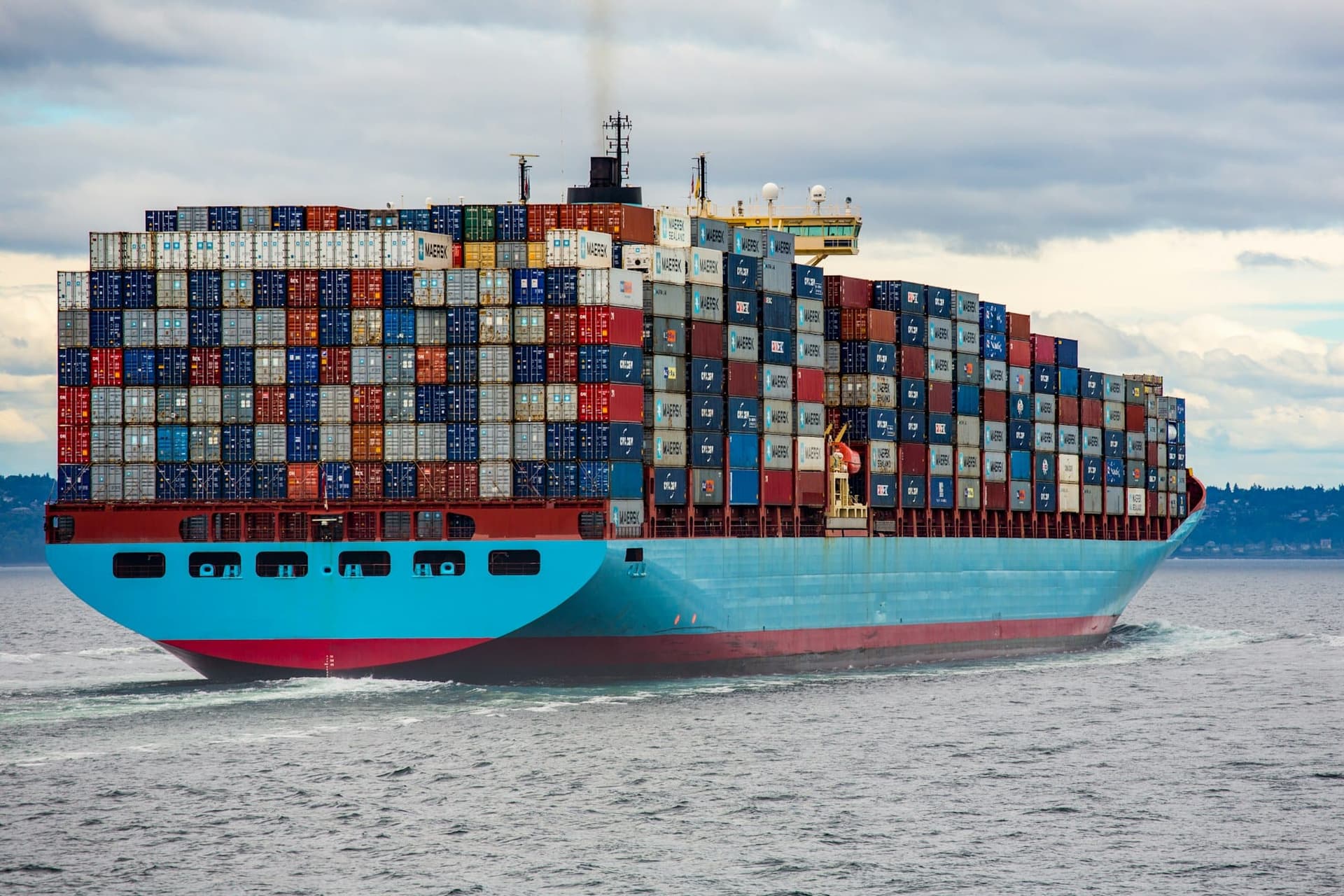
Solar equipment is bulky, fragile and high in value, which makes the transport plan as important as the purchase price. ASC Freight acts as the single point of coordination between your overseas supplier, the shipping line or airline, the port, and your delivery address in Pakistan. For an importer or installer that means one team arranging booking, container loading instructions, documents, port handling and inland movement, instead of several parties who each see only a part of the job. We work with sea freight for most solar volumes, air freight for urgent or small items, and road freight for the final leg, and we help you decide which mode suits each product on the order. Customs filing is coordinated with the licensed brokers of our parent company, Arshad Sualeh Corporation, so cargo moves from vessel to site under one coordinated plan.
Choosing between FCL, LCL and break-bulk for solar cargo
Most commercial solar shipments are best moved as full container loads, because a sealed container limits handling and keeps pallets together from the factory to the receiving point. A full container of PV modules is usually limited by weight or by cubic space depending on the module size and pallet design, so the loading plan should be checked with the supplier before booking. LCL can suit a distributor ordering a small mixed lot of inverters, cables and accessories, although more handling points mean more risk of damage and delay, and it is rarely a good fit for modules. Oversized structures, transformers or large energy storage units may need open-top, flat rack or break-bulk arrangements. Tell us the quantities, dimensions and weights, and we will recommend the container type and the number of units to book.
Packing and loading PV modules to limit breakage
Glass modules are damaged mainly by pressure, vibration and rough handling, so how the cargo is packed and loaded matters more than the route. Modules should arrive on sturdy pallets with edge protection, strapping and clear markings showing orientation and the fragile nature of the load. Pallets should be loaded so that panels stand upright as the manufacturer specifies, without leaning, and the container should be filled so that cargo cannot shift. Dunnage, air bags or bracing are used where gaps remain. Ask your supplier for the planned pallet count, pallet weight and stacking limits, and share the loading photos taken at origin. ASC Freight can pass these instructions to the supplier and the stuffing team, and we advise on which damage records to capture at delivery if a problem appears.
Moving inverters, batteries and storage systems
Inverters are electronic goods and need dry, careful handling, so they should be packed in original cartons or crates and kept away from stacking pressure. Batteries need more attention. Lithium batteries are carried under dangerous goods rules, and carriers apply their own acceptance conditions covering packaging, labelling, documentation and state of charge. Some lines and airlines restrict or decline certain battery cargo, which can change the available routing. Share the battery type, capacity, quantity and the safety data sheet with us before you confirm the purchase, so we can check carrier acceptance early rather than after the cargo is packed. Energy storage cabinets are heavy and may need lifting equipment at both ends, so we confirm unloading arrangements with the consignee before dispatch.
Planning large solar projects as phased shipments
A utility-scale or commercial solar build rarely lands in one lot. Equipment is needed in the order the site is constructed, so shipments are usually split into phases by block, row or installation stage. We begin with the installation schedule and work backwards: which items are needed first, how many containers each phase requires, and which items can safely wait. Booking space across several sailings, tracking each container and sequencing delivery to the site reduces the chance of idle crews and crowded storage yards. Where equipment is oversized or very heavy, project cargo planning covers lifting points, permits for the road leg and the equipment needed at the site. We keep one running status list of containers, so the project manager can see what has arrived, what is at port and what is still at sea.
Handling solar cargo at Karachi Port and Port Qasim
Most imported solar cargo enters Pakistan through Karachi Port or Port Qasim, and the choice depends on the vessel's call, the shipping line's arrangements, the storage and handling terms, and the location of your destination. We advise on the better gateway for each shipment and keep an eye on terminal storage periods, since free time at the port is limited and fragile cargo should not wait longer than needed. On arrival we coordinate container delivery order, terminal formalities, equipment such as trailers, and the examination or inspection of cargo where customs requires it, with customs filing handled through the licensed brokers of Arshad Sualeh Corporation. After a container is opened, damage or shortage should be recorded immediately with photographs, and we help you document it for claims.
Delivering solar equipment to project sites and warehouses
The final leg is often the most demanding, because project sites are rarely beside a main road and warehouses may have limited unloading space. Our road freight arrangements cover full and part loads, container haulage and delivery by flatbed or trailer where the cargo calls for it. Before dispatch we confirm the delivery address, the contact person, the unloading method, access restrictions and the hours the site can receive trucks. Modules should travel upright and secured, and heavy structures need correct load distribution. For remote sites we plan the route and the number of trucks around the installation schedule, and we tell you which containers should be devanned at a nearby warehouse and which can travel direct. Delivery is confirmed with a signed receipt, with any exceptions noted at the time.
Warehousing and staged dispatch for installers and distributors
Not every container should go straight to the final customer. A distributor may receive a full container of modules and sell it over several weeks, and an installer may need equipment released to different sites on different dates. Our logistics and warehousing service can receive containers, store the goods, consolidate arrivals from different suppliers and dispatch quantities against your orders. Pallets should be stored on a flat, dry surface, protected from impact and from heavy stacking, and counted when they come in and when they go out. This also helps when consolidating inverters, cables and structures into project kits for each site. Talk to us about expected volumes, storage duration and dispatch patterns, and we will propose a handling arrangement that fits the way you sell or install.
Documents your forwarder needs for solar shipments
Clean documents prevent most delays. For each shipment we work from the commercial invoice, the packing list and the bill of lading for sea cargo, or the air waybill for air freight. The packing list should give pallet counts, carton counts, weights and dimensions, and it must agree with the invoice description and quantities. For batteries, we also ask for the safety data sheet and technical details needed for carrier acceptance, and for other products we ask for datasheets that identify the model and specification. Mismatched descriptions or missing weights slow bookings, loading and clearance. We review these papers before cargo ships, flag inconsistencies to the supplier early, and pass the verified set to the licensed brokers of Arshad Sualeh Corporation for customs filing.
Insurance and risk planning for high-value solar cargo
Solar equipment combines high value with fragile construction, so a single damaged pallet can be costly. Carrier liability is limited and rarely covers the full value of the goods, which is why most importers arrange cargo insurance covering the whole journey from the supplier's warehouse to the final delivery point. When choosing cover, check the insured value against the invoice plus freight, the conditions about breakage and shortage, and the claim procedure. Good evidence makes claims easier: photographs at loading, container seal numbers, a clean receiving record at port and a signed delivery note that records any damage. Our team helps you keep that record, and our packing, loading and handling advice is aimed at preventing damage in the first place, because the best claim is the one you never have to make.
How ASC Freight plans a solar shipment from start to finish
We start with the purchase terms, the product list, the dimensions and weights, and the date the equipment is needed. From there we select the mode and container type, confirm the origin handling requirements, book the space and brief the supplier on packing and loading. During the voyage we track the container and keep you informed of any change. At Karachi Port or Port Qasim we coordinate arrival, terminal handling and examination support, while customs filing goes through the licensed brokers of Arshad Sualeh Corporation. We then arrange inland haulage to the warehouse or project site and confirm delivery with you. Choose ASC Freight if you want one accountable team, clear communication at each stage and practical advice drawn from the actual cargo rather than a generic plan.
A market that moves faster than its tariff lines
Pakistan's solar boom has made PV equipment one of the country's fastest-growing import categories, and one of its most fiscally fluid: the duty and tax treatment of panels, inverters and batteries has shifted repeatedly between exemption, concession and standard rating. Filing on last year's assumptions is how importers lose margin or get stuck at assessment.
We verify the current treatment for each item, panels, each inverter type, lithium storage, structures and BOS, against the live tariff and exemption position before quoting your landed cost, and classify precisely so the entry survives examination.
Cleared and on site when the installers are
Solar imports are project cargo: EPCs and distributors need equipment to land in the right sequence, panels, structures, inverters, and reach sites that are rarely next to a port. We coordinate multi-container programmes, stage deliveries from Karachi to project sites and city warehouses nationwide, and handle lithium batteries with the DG care they require.
For distributors building retail stock, we run repeat clearance programmes with per-model classification locked in, so each arrival clears on the same footing and your sales channel is never waiting on the port.
Specialised desks
Customs support for this industry
Freight & logistics
Freight services this industry uses
FAQ
Solar & renewables, FAQs
How should solar panels be packed for sea freight?
Modules should be on strong pallets with edge protection, strapping and orientation markings, loaded upright as the manufacturer specifies. The container should be filled so nothing can shift, using dunnage or bracing in any gaps. Ask the supplier for pallet counts and loading photos, and share them with us.
Can lithium batteries travel with the same container as solar panels?
This depends on carrier rules and the battery type. Lithium batteries are dangerous goods, and many carriers set their own conditions or restrict them. Send us the battery details and safety data sheet before you buy, and we will check acceptance and advise whether a separate booking is safer.
Can ASC Freight deliver solar equipment to a remote project site?
Yes. Our road freight service covers full and part loads and container haulage. We confirm the site address, access, unloading method and receiving hours, then plan the route and trucks around your installation schedule. Heavy or oversized items may need extra planning, so share dimensions and weights early.
Can you store solar cargo and release it in stages?
Yes. Our logistics and warehousing service can receive containers, store goods, consolidate arrivals from different suppliers and dispatch quantities against your orders. This suits distributors selling over time and installers who need equipment released to several sites on different dates.
What import duty applies to solar panels in Pakistan?
The treatment of PV modules has changed several times in recent budget cycles, between exemption and taxable status. We verify the position current at your filing date against the tariff and applicable SROs, and give you a firm landed-cost estimate before the shipment is committed.
Are solar inverters and batteries treated the same as panels?
No, panels, inverters and batteries sit under different tariff headings with different duty and tax treatments, and hybrid/off-grid inverter classification matters. We classify each item separately and correctly.
Can you clear lithium battery systems safely?
Yes. Lithium batteries are dangerous goods, we manage the DG documentation and port handling, and arrange compliant onward transport to your site or warehouse.
Do you deliver to project sites outside Karachi?
Yes, we stage and deliver solar cargo to project sites and warehouses across Pakistan, Punjab, KP, Sindh and Balochistan, timed to your installation schedule.
Can you handle a multi-container solar project programme?
Yes, we plan the clearance and delivery sequence across vessels and containers so equipment arrives in installation order, with one team accountable from origin to site.
Other industries we serve
Textiles & garments
ASC Freight moves cargo for spinners, weavers, processors and garment exporters, including textile machinery, dyes, chemicals, fibres and yarns inward, and yarn, fabric, home textiles and apparel outward. We plan FCL, LCL and air shipments, road delivery to the textile belt and warehousing. Customs filing is coordinated with the licensed brokers of our parent company, Arshad Sualeh Corporation.
Chemicals
ASC Freight handles container freight for industrial chemicals, polymers and resins, solvents and laboratory reagents. We plan packing and container choice for drums, IBCs and bags, check carrier acceptance for hazardous cargo, and arrange road delivery and storage for plants across Pakistan. Customs filing is coordinated with the licensed brokers of our parent company, Arshad Sualeh Corporation.
Food & beverages
ASC Freight moves packaged food, confectionery, edible oils, pulses, spices, juices and frozen food by sea, air and road. We plan around shelf life, choose between dry and reefer containers, and arrange delivery appointments and storage with distributors and retailers. Customs filing is coordinated with the licensed brokers of our parent company, Arshad Sualeh Corporation.
Import or export in solar & renewables?
Tell us what you ship and we'll respond with a clear, compliant plan and a competitive quote.