
E-commerce and retail · Freight forwarding
Freight forwarding for e-commerce and retail in Pakistan
ASC Freight handles freight for online sellers, brand distributors and wholesale traders. We offer consolidated LCL programmes, mixed-SKU loading from several suppliers, air freight for fast-moving stock, carton labelling for warehouse receiving, and warehousing and delivery to stores and marketplace hubs. Customs filing is coordinated with the licensed brokers of our parent company, Arshad Sualeh Corporation.
What we handle
What we ship and move for e-commerce & retail
Consolidated LCL stock
Groupage shipments for sellers who buy in cartons, not containers.
Marketplace imports
Stock sourced from China and global suppliers for online marketplaces and D2C brands.
Mixed-SKU containers
Multi-product consignments classified line by line for clean assessment.
Compliance screening
PTA, standards and labelling requirements identified per SKU before shipping.
Warehousing & fulfilment
Port-adjacent storage and stock management ahead of your sales channel.
Nationwide distribution
Delivery to your warehouse, marketplace hub or dealers across Pakistan.
Freight Forwarding for E-commerce and Retail in Pakistan
Online stores and retail chains depend on stock arriving when the listing or the shelf needs it, which makes the freight plan as important as the purchase order. ASC Freight books and coordinates the international leg for importers who buy from overseas manufacturers, wholesalers and trading companies, and we choose the mode around the cargo rather than selling a single route to every client. The starting point is simple information: what the goods are, how many cartons or pallets, the gross weight and volume, where the supplier is located, and the date stock is needed in Pakistan. From that we can compare sea freight, air freight and a split between the two, then arrange pickup at origin, the main carriage, port or airport handling in Karachi, and onward road movement. Customs filing is coordinated with the licensed brokers of our parent company, Arshad Sualeh Corporation, so the shipment moves under one plan.
Choosing between FCL and LCL for retail stock
The choice between a full container and a shared one usually comes down to volume, value and how long you can wait. FCL gives you a sealed container that is yours alone, loaded once at origin and opened at your warehouse or at a designated stripping point. It suits repeat purchases of a single product line or a large seasonal order, and the cargo is handled less because it is not mixed with anyone else's goods. LCL makes sense when your order does not fill a container, which is common for new sellers testing products or retailers topping up fast sellers. Your cartons are combined with other shippers' cargo at an origin freight station and separated again at the destination, so the process takes extra handling steps and cargo must be released from the consolidation warehouse before collection. We help you compare the two on total cost per carton, not just the ocean rate, and advise when waiting to fill a container is cheaper than shipping partial loads repeatedly.
Mixed SKUs and consolidation from several suppliers
Many sellers buy from more than one factory or trading company at the same time, for example a batch of accessories from one supplier and homeware from another. Shipping each order separately can mean several small bookings, several sets of origin charges and several arrivals to track. A common practice is to have each supplier deliver to a single consolidation point in the origin country, where the cartons are received, checked against the order and loaded together. ASC Freight can coordinate this kind of multi-supplier consolidation as part of our logistics and warehousing service, provided the suppliers agree cut-off dates and deliver to the nominated address. The benefit is one booking, one bill of lading and one arrival to plan for. The trade-off is that a late supplier can hold up the whole shipment, so we recommend agreeing a firm cargo-ready date with each factory and keeping each supplier's invoice and packing list clearly separated inside the consolidated set.
Air freight for fast-moving and urgent inventory
Air freight earns its place in a retail supply chain when the cost of running out of stock is higher than the cost of the faster mode. Typical cases include a bestselling item that has sold through ahead of the next sea shipment, a product launch with a fixed date, samples for approval, and high-value or lightweight goods where the freight cost per unit stays modest. ASC Freight arranges air freight into Jinnah International Airport in Karachi and coordinates cargo handling and onward delivery. Airlines charge on the greater of actual weight and volumetric weight, so how cartons are packed directly affects the bill. Trimming oversized outer cartons, avoiding empty space and consolidating several small boxes into a compact set can reduce chargeable weight noticeably. Many sellers run a mixed model: bulk replenishment by sea on a regular schedule, with a smaller air shipment held in reserve for the lines that move quickest. We can help you decide which SKUs justify air and which should wait for the next sailing.
Carton labelling and packing for warehouse receiving
Good packing protects the goods in transit, and good labelling saves hours at the receiving dock. Before cartons leave the supplier, agree a standard: sturdy outer cartons sized for stacking, no mixed products in a single carton where avoidable, consistent carton weights that one person can lift, and a visible label on at least two sides showing the product code, quantity per carton and your consignee name. Mark the carton numbers in sequence, such as 1 of 40, so missing boxes are obvious at once. If goods are palletised, ask for stable pallet loads that are wrapped and clearly labelled, and avoid overhang, which wastes container space and risks damage. Share your labelling instructions with the supplier in writing before production finishes, because relabelling after arrival costs time and money. At receiving, a packing list that matches the carton markings lets the warehouse team check stock against the order quickly and report any shortage or damage while the evidence is fresh.
Documents a forwarder needs for e-commerce shipments
Every shipment moves on paper, and errors in documents cause more delays than most operational problems. The commercial invoice states the seller, buyer, goods description, quantities, unit prices and total value. The packing list records the number of cartons, contents of each, weights and dimensions. For sea cargo the bill of lading is the contract of carriage issued by the shipping line or consolidator, and for air cargo the airway bill performs a similar role. Descriptions should be specific enough to identify the goods, and quantities and values must agree across the invoice, packing list and transport document. For a mixed-SKU consignment, list each product line separately instead of using one broad description. Share drafts with us before the supplier finalises them so we can flag inconsistencies early. ASC Freight prepares the shipping instructions and tracks the movement, and customs filing based on these documents is coordinated with the licensed brokers of our parent company, Arshad Sualeh Corporation, which helps keep the whole file consistent.
Receiving cargo at Karachi Port and Port Qasim
Most sea imports for Pakistani retailers arrive through one of two gateways: Karachi Port or Port Qasim. Which one a container uses depends on the shipping line's service, the terminal assigned and the nature of the cargo, so the forwarder confirms the discharge port when the booking is made. Knowing this early lets you plan trucks, warehouse space and staff for the day cargo is released. Once a vessel arrives, the container is discharged, the delivery order is processed, and the box is moved out by road after the necessary releases. Practical points matter here: free time at the terminal and detention on the container are limited, so slow collection can add charges. LCL cargo follows a slightly different path, passing through a consolidator's station before it can be collected. ASC Freight monitors arrival, arranges container haulage and keeps you informed, while customs release is coordinated with Arshad Sualeh Corporation so that haulage can be scheduled the moment cargo is cleared.
Warehousing and dispatch for store and marketplace orders
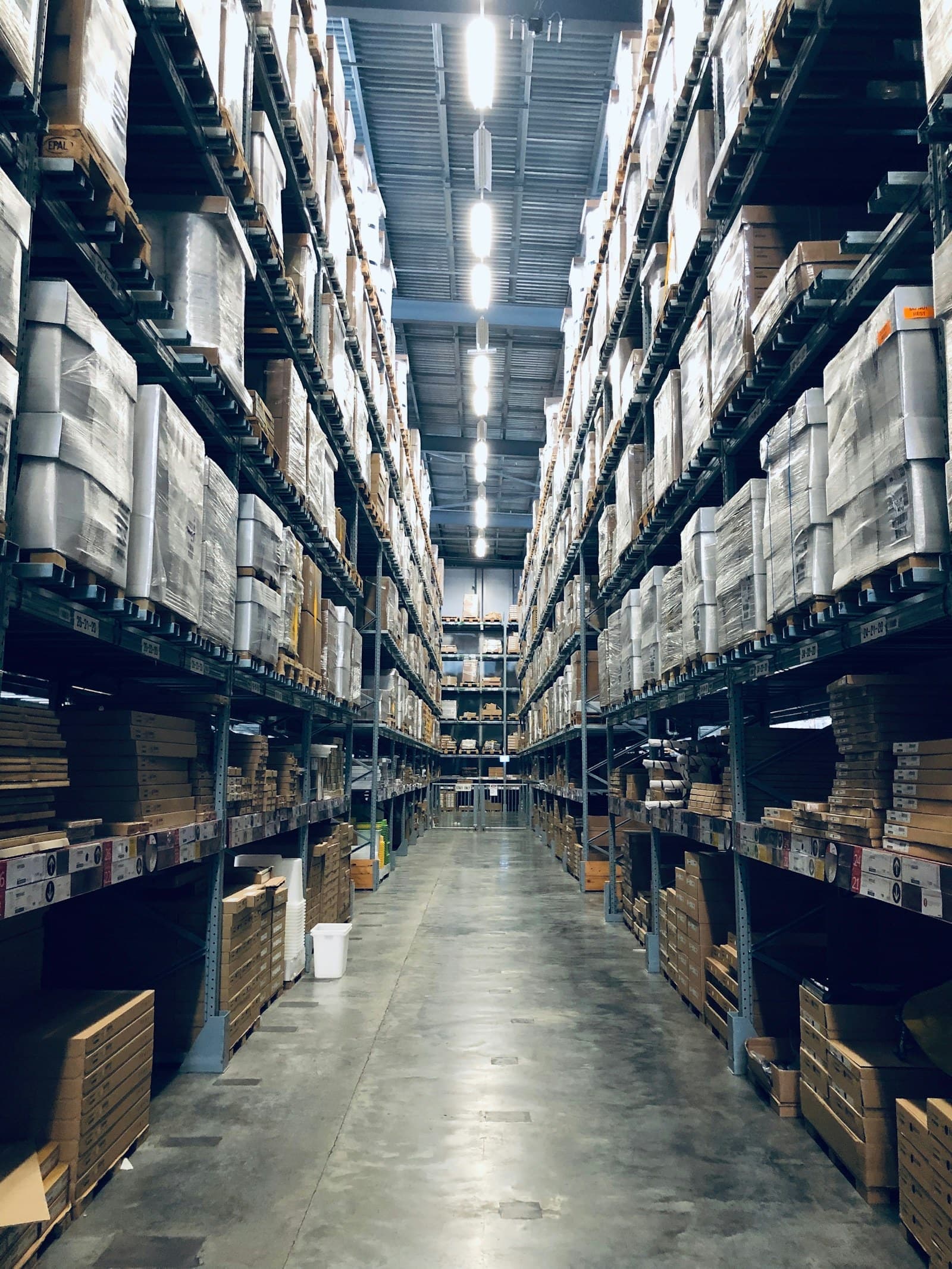
Imported stock rarely goes straight from the port to the customer. It usually needs a place to be received, counted, stored and then released in smaller lots to retail outlets, a marketplace seller account or a warehouse of your own. ASC Freight's logistics and warehousing service covers receiving, storage, consolidation of cargo and dispatch, so goods can be held near the port and released against your instructions. A practical setup begins with an inbound check against the packing list, followed by recording quantities by product code and carton. Stock is then stored in a way that makes picking straightforward, and outbound loads are prepared when you issue a dispatch order. This is warehousing and dispatch in the freight sense: we move cartons and pallets in and out of storage and onto trucks. We do not operate parcel couriers or connect to marketplace fulfilment systems, so businesses that need single-parcel delivery to consumers should plan that step separately.
Road delivery from the port to your warehouse and branches
The last leg of an import is usually by road, and it deserves as much planning as the ocean or air leg. ASC Freight arranges road freight for full and part loads, container haulage from Karachi Port or Port Qasim, and refrigerated transport where the cargo needs it. A full container is usually hauled to a single address and unloaded there, while part loads suit retailers who need cartons delivered to several branches or dealers. To plan a delivery, we need the destination address, the access conditions such as vehicle size limits and unloading hours, the cargo weight and the number of drops. Containers should be unloaded promptly after delivery so the empty can be returned within the allowed time. If your warehouse does not have a loading dock or forklift, tell us beforehand, because it affects the vehicle type and the labour needed. Sending stock onward to other cities is arranged in the same way, with each consignment documented and tracked until the receiver signs for it.
How ASC Freight plans an e-commerce shipment
We begin with a short briefing: product types, quantities, supplier locations, the date stock is needed and your warehouse details. From that we propose a route and mode, whether sea FCL, sea LCL, air, or a combination, with the main steps and responsibilities laid out so you can see who does what before anything is booked. Suppliers receive clear instructions on cargo-ready dates, delivery to the origin warehouse, packing and labelling. Once cargo is booked, we track milestones such as receipt at origin, sailing or flight departure, arrival and release, and pass updates to you as they happen. Documents are checked against each other before they are lodged, and customs filing is coordinated with the licensed brokers of Arshad Sualeh Corporation. After release, haulage and warehousing are scheduled according to your plan. Because each stage is arranged by one team, a delay in one place can be seen and handled early, rather than discovered at the warehouse door.
Why e-commerce and retail importers work with ASC Freight
ASC Freight is the freight forwarding arm of the Arshad Sualeh Corporation group, a customs clearance business, which means the movement of cargo and the filing of customs paperwork can be planned together instead of passed between unrelated firms. For an importer this reduces the risk of cargo waiting at the port while one party waits for another. Our focus is practical: sea freight in FCL and LCL, air freight, road freight, and warehousing with consolidation, all based in Karachi. We aim to give straightforward advice about which mode suits a given order, to be honest about trade-offs such as cost against speed, and to keep you informed at each stage. We do not promise transit times or rates in general terms, because these depend on the route, season and carrier, so quotes are prepared against your actual cargo details. If you are planning a first import or want to improve how repeat shipments are handled, send us your product list and timetable and we will propose a plan.
Commercial imports, sized for modern sellers
Pakistan's online-retail growth has created a generation of importers whose consignments look different: smaller, more frequent, many SKUs, sourced from Alibaba suppliers and overseas wholesalers rather than single-product factories. Customs treats them as full commercial imports, which means classification, valuation and compliance per SKU, exactly where inexperienced sellers get burned.
We run consolidation programmes that let sellers ship cartons economically, classify mixed consignments line by line, and screen each product list for the compliance triggers that matter, PTA approval for wireless items, standards for appliances, labelling for cosmetics and food, before you pay your supplier.
From port to shelf, one accountable chain
Clearance is half the journey. Our warehousing and distribution arm receives cleared stock, holds it near the port or in your city, and delivers to marketplace fulfilment centres, dark stores and dealer networks nationwide, so your listings never go out of stock while a container sits unplanned.
For growing brands we make landed cost predictable: a per-SKU duty and tax model before you order, and the same classification applied consistently on every repeat shipment.
Specialised desks
Customs support for this industry
Freight & logistics
Freight services this industry uses
FAQ
E-commerce & retail, FAQs
Can ASC Freight consolidate cargo from several suppliers into one shipment?
Yes, as part of our logistics and warehousing service we can coordinate consolidation of cartons from several suppliers at a single origin point before sailing. Suppliers need to agree cargo-ready dates and deliver to the nominated address, and each supplier's invoice and packing list should be kept separate and clearly marked.
When should an online seller use air freight instead of sea freight?
Air freight suits urgent restocking, product launches with fixed dates, samples, and high-value or light goods where the freight cost per unit stays manageable. Sea freight is usually better for bulk replenishment that is planned ahead. Many sellers use sea for regular stock and keep air for emergencies.
Does ASC Freight deliver parcels directly to my customers?
No. We handle freight movements: containers, pallets and cartons moving from the supplier to your warehouse, store or branches, with storage and dispatch in between. We do not provide courier or single-parcel delivery to consumers, so that final step should be arranged with a separate courier provider.
What information do you need to quote a shipment of mixed products?
Send us the product list with quantities, carton counts, estimated weight and volume, supplier location, and the date you need stock in Pakistan. Draft invoices and packing lists help too. With these we can compare FCL, LCL and air options and prepare a quote based on your actual cargo.
I buy from Alibaba in small quantities. Can you still clear my stock?
Yes. Through LCL consolidation you can ship cartons or pallets economically, and we clear the consignment as a proper commercial import, classified and documented correctly, so your business scales without customs surprises.
What do e-commerce importers most often get wrong?
Treating a mixed consignment as one product. Each SKU has its own classification, value and possible compliance trigger (PTA for anything wireless, standards for appliances, labelling for consumables). We screen your product list before you ship, when problems are still cheap to fix.
Do I need to be a registered importer to bring in commercial stock?
Yes, commercial imports require registration including sales-tax registration and a WeBOC/PSW subscription. We guide new sellers through the setup as part of onboarding.
Can you estimate my landed cost per product before I order?
Yes. Share your product list and target prices and we model duty, taxes and freight per SKU, so you price your listings on real numbers, not guesses.
Do you deliver to marketplace fulfilment centres?
Yes, cleared stock is delivered wherever your channel needs it, marketplace hubs, your own warehouse or dealers, anywhere in Pakistan.
Other industries we serve
Textiles & garments
ASC Freight moves cargo for spinners, weavers, processors and garment exporters, including textile machinery, dyes, chemicals, fibres and yarns inward, and yarn, fabric, home textiles and apparel outward. We plan FCL, LCL and air shipments, road delivery to the textile belt and warehousing. Customs filing is coordinated with the licensed brokers of our parent company, Arshad Sualeh Corporation.
Chemicals
ASC Freight handles container freight for industrial chemicals, polymers and resins, solvents and laboratory reagents. We plan packing and container choice for drums, IBCs and bags, check carrier acceptance for hazardous cargo, and arrange road delivery and storage for plants across Pakistan. Customs filing is coordinated with the licensed brokers of our parent company, Arshad Sualeh Corporation.
Food & beverages
ASC Freight moves packaged food, confectionery, edible oils, pulses, spices, juices and frozen food by sea, air and road. We plan around shelf life, choose between dry and reefer containers, and arrange delivery appointments and storage with distributors and retailers. Customs filing is coordinated with the licensed brokers of our parent company, Arshad Sualeh Corporation.
Import or export in e-commerce & retail?
Tell us what you ship and we'll respond with a clear, compliant plan and a competitive quote.