

01
Expertise
An experienced team with in-depth knowledge of import regulations, HS classification and clearance procedures.

Industrial machinery · Freight forwarding
ASC Freight moves industrial machinery, plant and equipment as project cargo. We plan container types, weight and dimensions, lashing and securing, lifting and loading, and heavy-haul road transport, and we handle spare parts by air or LCL, with handling at Karachi Port and Port Qasim. Customs filing is coordinated with the licensed brokers of our parent company, Arshad Sualeh Corporation.
What we handle
Every consignment type this desk files, examined and released under the correct regulatory workflow.
Import clearance of all types of industrial machinery, plants, production lines and heavy equipment.
Customs clearance for manufacturing, processing, packaging and assembly equipment.
Clearance of compressors, generators, boilers, pumps, conveyors and other auxiliary equipment.
Import clearance of spare parts, components and accessories for industrial machinery.
Assistance preparing and verifying all import documents as per customs and other regulatory requirements.
Compliance with all applicable regulations and laws of Pakistan for industrial imports, with Fifth Schedule, BOI and SRO concessions reviewed for your machinery.
Moving a machine from a factory floor overseas to a plant in Pakistan is a freight job first and a paperwork job second. ASC Freight plans the physical journey: which mode, which equipment, how the cargo is packed and lifted, which road it takes and who receives it at site. We begin with the machine data, meaning dimensions, gross weight, centre of gravity, whether it can be split into modules and the date the installation team needs it. From that we compare sea options with air for urgent parts, agree a packing and loading method with the shipper, and build a schedule from origin to site. Customs filing runs in parallel and is handled by our parent company, Arshad Sualeh Corporation, through its licensed brokers, so the freight plan and the clearance plan stay aligned.
Much machinery travels in standard 20 foot or 40 foot containers, and a high cube is often enough for tall but compact units. When a machine is too wide, too high or too heavy for a closed box, forwarders commonly look at open top containers for cargo that must be lifted in from above, flat racks for wide or heavy pieces, and break-bulk or project vessel space for very large items. Which of these is realistic depends on the machine size, the loading port, the shipping line and what equipment the carrier can actually provide on the date needed. Out-of-gauge cargo is usually quoted case by case. We ask for drawings early, check options with carriers and overseas partners, and recommend the simplest arrangement that moves the cargo safely.
Accurate figures prevent most problems on heavy cargo. Before booking we ask for the packed length, width and height of every piece, the gross weight including crate or skid, and the lifting points marked by the manufacturer. Net machine weight alone is not enough, because packing adds mass and changes dimensions. These numbers decide the container type, the carrier's acceptance, the crane capacity needed at each end and the trailer type for the road leg. They also show whether a machine should be dismantled into smaller modules to fit standard equipment. Container payload limits, axle load limits on trucks and port handling limits all apply, so a figure that looks fine on one leg can fail on another. Checking them together at the start avoids revised bookings later.
Ocean and road transport put cargo through rolling, vibration and sudden stops, so securing is part of the freight plan and not an afterthought. Machinery is normally placed on skids or timber bases, braced with blocking and fixed with steel straps, chains or lashing rods to the container's or flat rack's securing points. Sensitive items such as CNC machines, control cabinets and precision spindles often need moisture protection, such as sealed wrapping with desiccant, and protection against shifting of internal moving parts. Where cargo is packed by the shipper, we ask for photographs of the finished packing before the box is closed, and we raise concerns while there is still time to fix them. Securing standards used by carriers and the stuffing method on site should match the cargo weight and the expected sea route.
Every machine is lifted at least four times on a typical door-to-door move: onto the truck at the factory, off it at the port, onto a vessel or trailer, and finally into position at the plant. Each lift needs the right crane or forklift, spreader or slings, and ground that can carry the load. We confirm with the shipper who is providing lifting equipment at origin and agree with the consignee what will be available at site, including access width, overhead obstructions and a firm, level place to offload. For items that cannot be lifted by standard equipment, we coordinate hired cranes and rigging crews through local contractors and do not present these as our own. Lifting plans should be shared before dispatch so that nobody is improvising when the truck arrives.
The road leg from port to site often decides whether a machinery project runs on time. Heavy and wide loads need a suitable low-bed or multi-axle trailer, a tractor with enough pulling capacity and a driver familiar with the route. Planning generally starts with the cargo dimensions and weight, then looks at bridges, underpasses, overhead cables, narrow turns, toll points and the condition of the final access road to the plant. Road conditions and any movement restrictions on oversized vehicles can affect timing, so the schedule allows for this, and travel may be arranged at times that suit traffic. ASC Freight arranges road freight through a network of transport operators and reviews the route with the consignee before the cargo leaves the port, so there are no surprises at the factory gate.
Spare parts and replacement components are a different freight problem from whole machines. When a production line is stopped, the priority is speed, and air freight is the usual choice for compact, urgent, high-value parts such as bearings, control boards, sensors and motors. Chargeable weight in air freight depends on both weight and volume, so packing size matters. When parts are less urgent, or heavier and bulkier, consolidated LCL sea freight is often more economical because several shippers share a container and pay for the space used. We help customers choose between the two by comparing urgency, cargo size and cost, and we can combine parts from different suppliers into one shipment. Part numbers, serial numbers and clear descriptions on the packing list help every stage move faster.
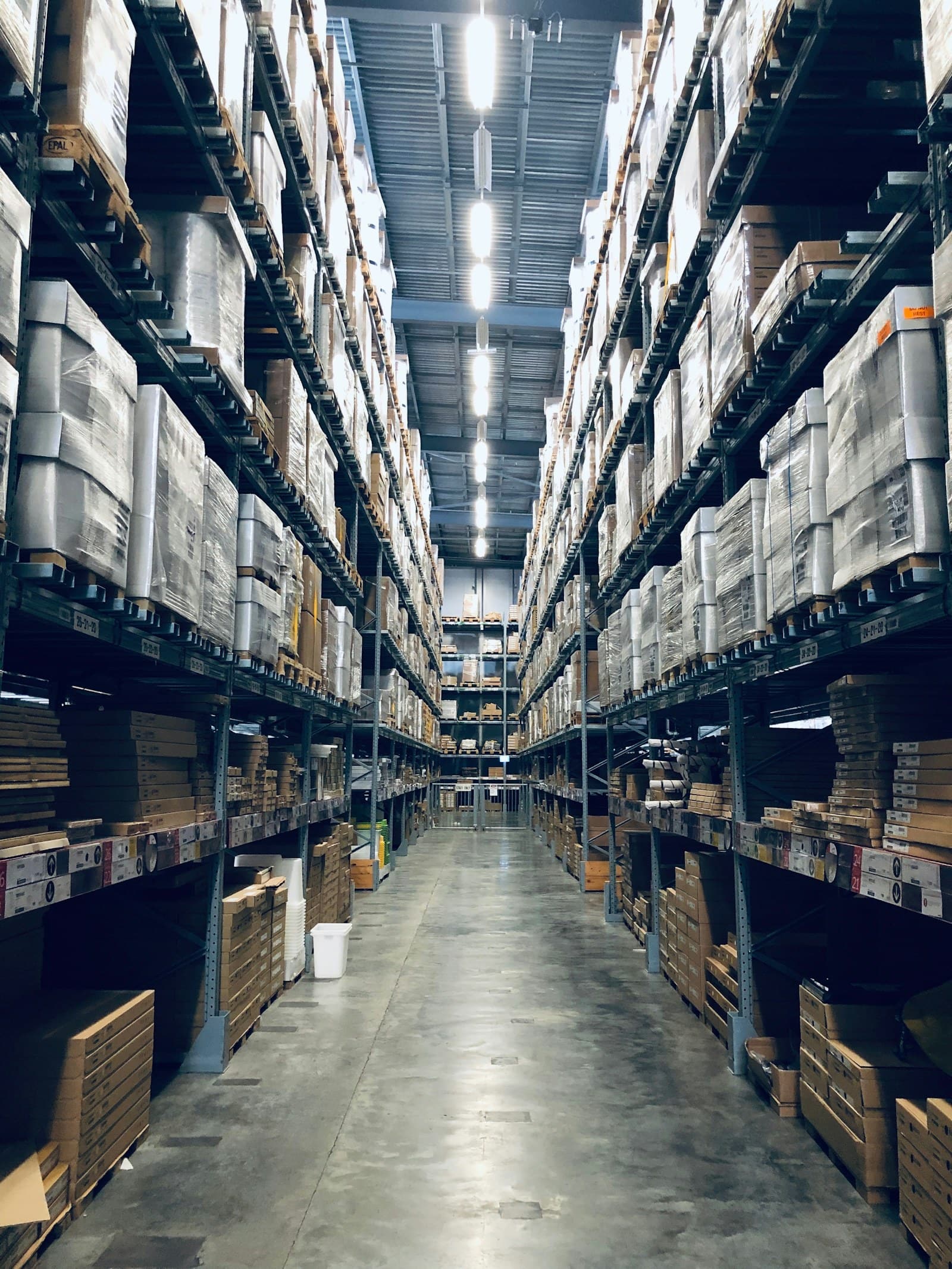
A complete production line rarely arrives in one piece or on one day. Equipment is built, tested and shipped in phases, and the installation sequence at site decides which items are needed first. We help plan the order of shipments so that foundations, main machines and auxiliary equipment arrive when the installation team can use them. Where the site is not ready, or cargo arrives earlier than the civil work, our warehousing and project logistics service can hold items in Karachi, check them against packing lists, record any damage and release them in stages on the dates the project requires. Staged dispatch reduces the need to store large machines on a building site, and it keeps related items together so the installation team finds every piece of a module when it is needed.
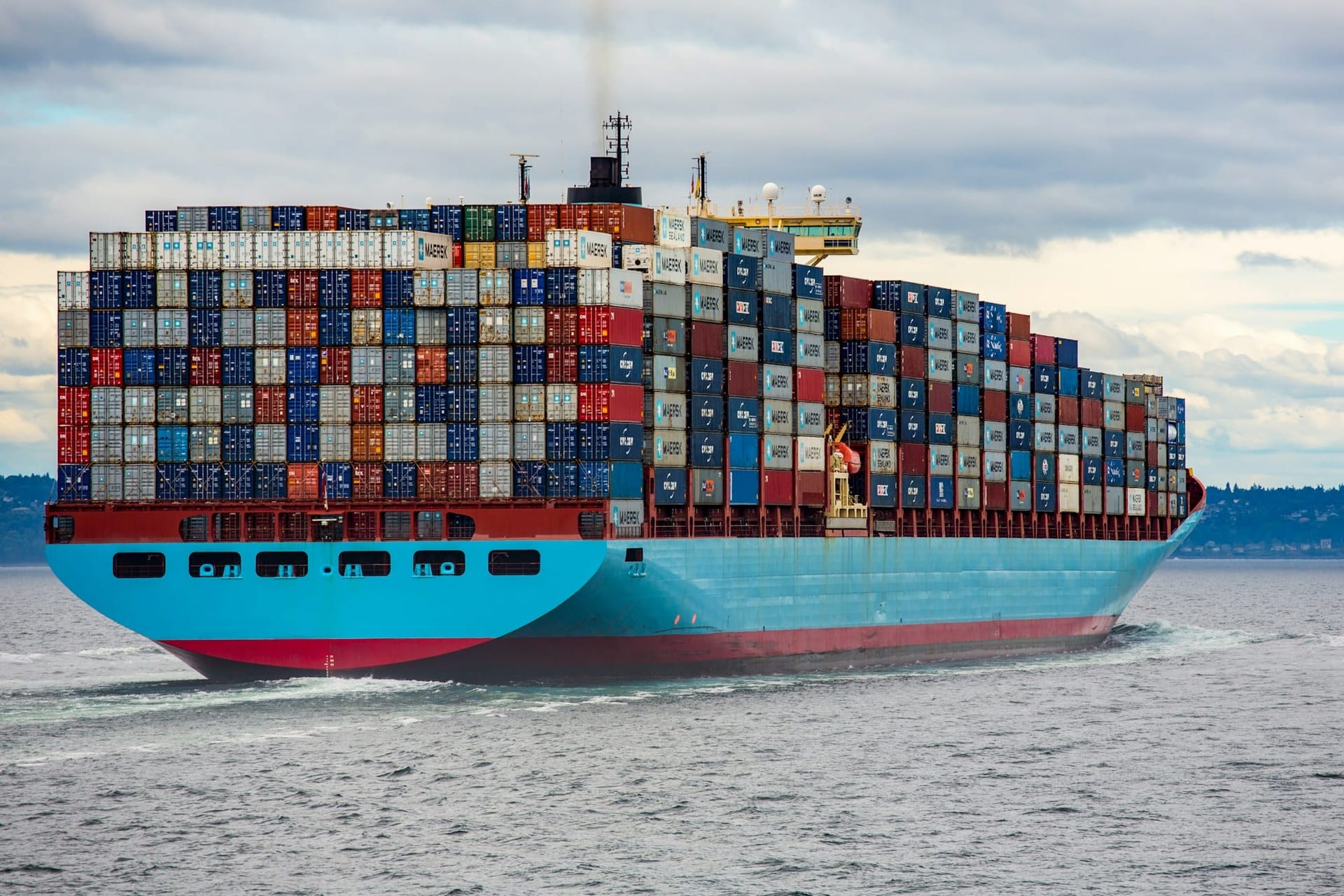
Karachi Port and Port Qasim are the two main entry points for machinery arriving by sea in Pakistan, and they suit different cargo. The choice of discharge port depends on the vessel's schedule, the terminal and berth available for the cargo type, and the distance to the final site. Containerised machinery moves through container terminals, while heavy or oversized pieces may need extra lifting equipment and yard space for handling and loading onto trailers. We track the vessel, prepare delivery arrangements so that trucks and cranes are ready when the cargo is released, and coordinate with the terminal and our parent company's brokers about timing. Delivery to site is then planned as a continuation of the same job: transport, unloading, positioning and confirmation of condition with the consignee.
Machinery is high in value and often one of a kind, so marine cargo insurance is worth discussing before the shipment moves. Cover should reflect the full insured value, the route and the packing, and we can help customers arrange it. On the documentation side, a forwarder typically handles booking confirmations, the bill of lading or airway bill, cargo manifests, delivery orders and transport instructions, and coordinates the commercial invoice and packing list with the shipper. Customs filing and clearance are not done by ASC Freight itself. They are handled by Arshad Sualeh Corporation, our parent company, through its licensed customs brokers. This split keeps one team responsible for moving the cargo and another for the regulatory process, and both work to the same shipment timeline.
For capital equipment, the difference between a well-classified entry and a careless one can be enormous. Duty is assessed on the CIF value against the machinery's HS code, and the Fifth Schedule of the Customs Act, Board of Investment incentives and specific SROs allow concessionary or duty-free import of plant and machinery for eligible sectors. We classify each machine correctly and review every concession it may qualify for, so you pay what you owe and not a rupee more.
Duty rates and concessions change with the annual Finance Act and periodic SROs, so we verify the current position against your HS code rather than relying on last year's numbers, and give you a landed-cost view before we file.
Second-hand plant and machinery is generally importable, and used machinery often needs careful examination and valuation. We prepare the documentation and coordinate inspection so used-equipment entries are assessed fairly and released without avoidable dispute.
Heavy, break-bulk and project cargo has its own logistics. We clear over-dimensional machinery through Karachi and Port Qasim and coordinate specialised transport to site, from a single generator to a full production line.
Machinery clears on standard customs procedure, with classification and concession review central to cost.
Our process
We review invoice, packing list, B/L, catalogues and technical specifications.
We classify the machinery and check Fifth Schedule / SRO / BOI concessions.
We file the Goods Declaration on WeBOC/PSW and manage valuation and assessment.
Coordination with customs for examination of new or used machinery where required.
The consignment is cleared and heavy/project cargo is delivered safely.
Why choose us
An experienced team with in-depth knowledge of import regulations, HS classification and clearance procedures.
We ensure 100% compliance with Pakistan Customs and every relevant regulatory authority, DRAP, DPP, PTA and more.
We value your time, an efficient WeBOC/PSW process that keeps clearance and delivery on schedule.
From documentation and OGA approvals to delivery, we handle everything with professional care.
A commitment to quality that has earned us the trust of valued importers across Pakistan.
FAQ
Many machines fit in standard or high cube containers, provided the packed size and weight stay within the container's limits. Wider, taller or heavier items may need an open top, a flat rack or break-bulk space, depending on carrier availability. Send us the packed dimensions and weight and we will advise the practical options.
We need the loading city or port, the packed length, width, height and gross weight of each piece, the delivery address in Pakistan and the date the cargo is needed. Photos, drawings and the packing list help us check container options, lifting needs and the road route.
Yes. We arrange road transport from Karachi Port or Port Qasim to industrial sites in Pakistan through our network of transport operators. For heavy or wide loads we review the route and site access with you first, including offloading arrangements, so the truck can reach the plant and the machine can be placed safely.
Customs filing and clearance are handled by our parent company, Arshad Sualeh Corporation, through its licensed customs brokers. ASC Freight manages the freight side, including booking, cargo handling, documents for transport and delivery, and keeps both teams working to one schedule for your shipment.
Duty is assessed on the CIF value against the machinery's HS code, and rates change with the Finance Act and SROs. Rather than quote a fixed rate, we verify the current tariff for your exact classification and give you a landed-cost estimate before filing.
Yes, used plant and machinery is generally importable (a few specialised categories are restricted). Used machinery often needs careful examination and valuation, which we prepare for and coordinate so the entry is assessed fairly.
Through the Fifth Schedule of the Customs Act, Board of Investment incentives or a specific SRO, depending on your sector and machinery. We review which concession applies to your HS code and structure the entry accordingly.
Yes. We clear over-dimensional, break-bulk and project machinery through Karachi and Port Qasim and coordinate specialised transport to site, including complete production lines.
Commercial invoice, packing list, Bill of Lading, and technical catalogues/specifications that support classification and valuation. For concessions, the supporting approvals. We tell you precisely what is required for your machine.
ASC Freight ships computers, laptops, servers, networking gear and storage by air and sea. We compare air and sea against your delivery date, plan anti-static and shock-resistant packing, arrange insurance, and deliver to offices, data centres and warehouses. Customs filing is coordinated with the licensed brokers of our parent company, Arshad Sualeh Corporation.
ASC Freight ships bagged and palletised milk powder and dairy ingredients to Pakistan. We plan container condition and moisture control, choose between dry and reefer containers, manage shelf life and port dwell risk, and arrange inland delivery and first-in first-out warehousing. Customs filing is coordinated with the licensed brokers of our parent company, Arshad Sualeh Corporation.
ASC Freight arranges the sea, air and road movement of pharmaceutical cargo into and out of Karachi, from active ingredients and excipients to finished medicines, surgical products and medical devices. We plan each shipment around its packing, its storage condition and the date the receiver needs it, then book carriers, coordinate terminal handling and organise delivery to the factory, warehouse or distributor. Regulatory approvals and customs filing are coordinated with the licensed brokers of our parent company, Arshad Sualeh Corporation, so the freight plan and the clearance file are built from the same shipment details.
Tell us what you are shipping and where. We will reply with options and an itemised freight quotation, usually within one business day.