

01
Expertise
An experienced team with in-depth knowledge of import regulations, HS classification and clearance procedures.
Seeds · Freight forwarding
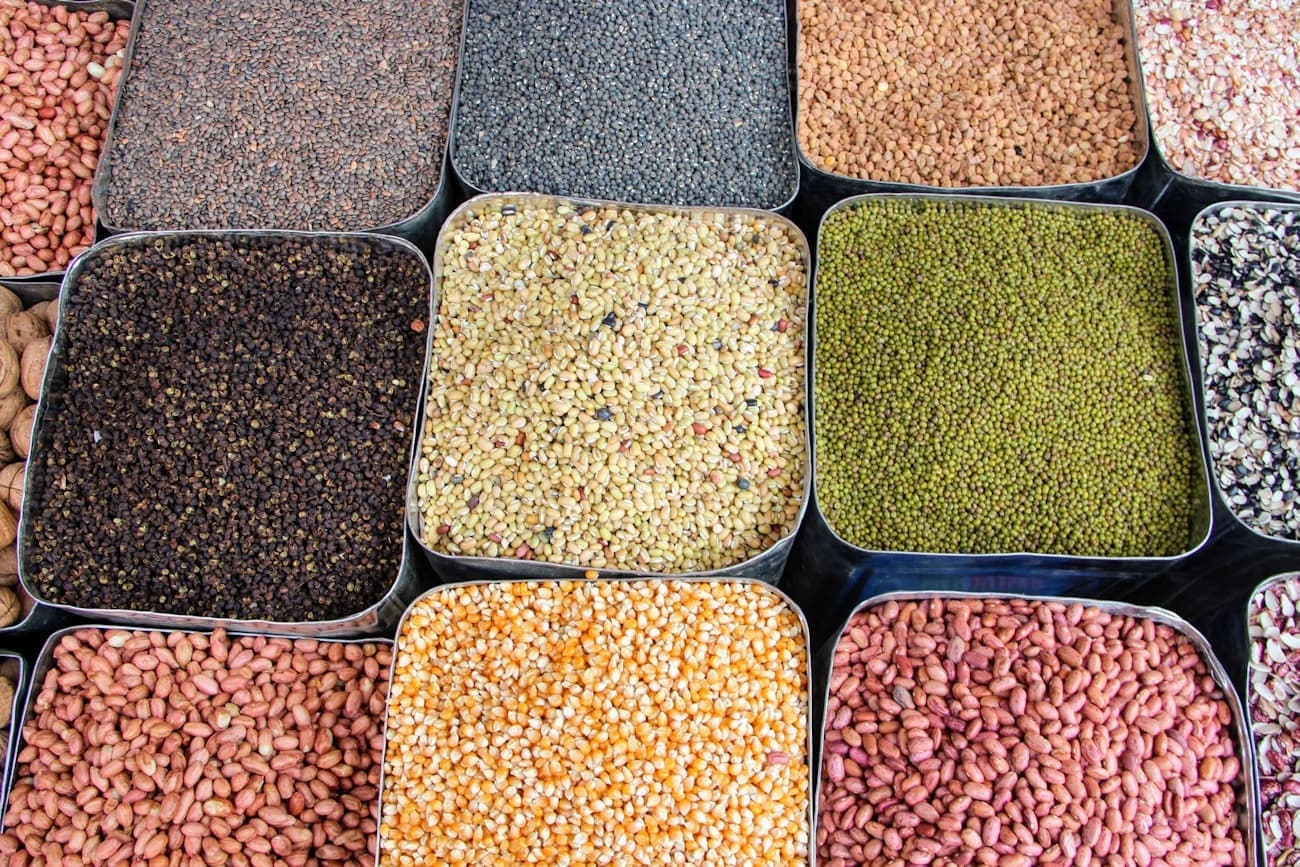
ASC Freight is a Karachi freight forwarder that moves seeds and planting material by sea and air, with road delivery to warehouses and farm regions. We plan each shipment around the crop calendar, the way the cargo is packed and the date it must be on your premises, whether it is a few cartons of trial seed or a full container of bagged lots. Plant-quarantine and customs steps are coordinated with the licensed brokers of our parent company, Arshad Sualeh Corporation, so the freight plan and the clearance plan run on one timetable and you deal with one group.
What we handle
Every consignment type this desk files, examined and released under the correct regulatory workflow.
We assist with customs clearance for agricultural seeds used for field crops, commercial farming and agricultural production. Our process focuses on reviewing import documentation, applicable plant quarantine requirements and customs declaration procedures.
Horticultural seeds may require specific regulatory and phytosanitary documentation. We coordinate the applicable clearance requirements for vegetable, fruit, ornamental and other horticultural seed imports.
Research institutions, laboratories and agricultural organizations may import seeds for testing, trials and research purposes. We provide clearance support for eligible research and trial seed consignments while coordinating the required documentation and inspection requirements.
Importing seeds into Pakistan requires more than standard customs processing. Agricultural, horticultural, hybrid, research and trial seeds may require specific documentation, plant quarantine procedures and regulatory approvals before they can be released.
ASC Freight provides seed import customs clearance in Pakistan, supporting importers with customs documentation, DPP requirements, phytosanitary checks, quarantine coordination and customs processing through the applicable digital systems.
Our team helps importers manage the clearance process from documentation review through regulatory inspection, release and delivery.
Seed is a living, value-dense cargo. A bag of hybrid vegetable seed can be worth far more than its weight suggests, while a container of field crop seed is a heavy, bulky movement that behaves like other bagged agricultural goods. Because of that spread, there is no single right way to ship seed, and the first job of a forwarder is to understand what the consignment actually is: the product type, the packing, the weight and volume, the origin and the date it is needed. ASC Freight, the freight forwarding arm of the Arshad Sualeh Corporation group in Karachi, uses that information to recommend air, sea, or a combination, and to plan the road leg that follows. This page covers the physical movement of the cargo. Permits, quarantine and customs filing sit with the parent company's licensed brokers.
Air freight is usually the practical choice for trial seed, breeder samples, small commercial lots and any consignment that must reach the buyer before a sowing window closes. Air cargo is priced on weight or volume, so compact, high-value cartons make the best use of it, and a few kilograms of valuable seed rarely justify a sea container. Shipments arrive at Jinnah International Airport in Karachi, where we plan collection and delivery so that the cargo does not wait longer than necessary at the terminal. Seed that is sensitive to heat should not sit on an apron or in a hot truck, so we ask about temperature needs before booking and plan the handover with that in mind. Space and schedules depend on the airline at the time of booking, and we confirm them in writing.
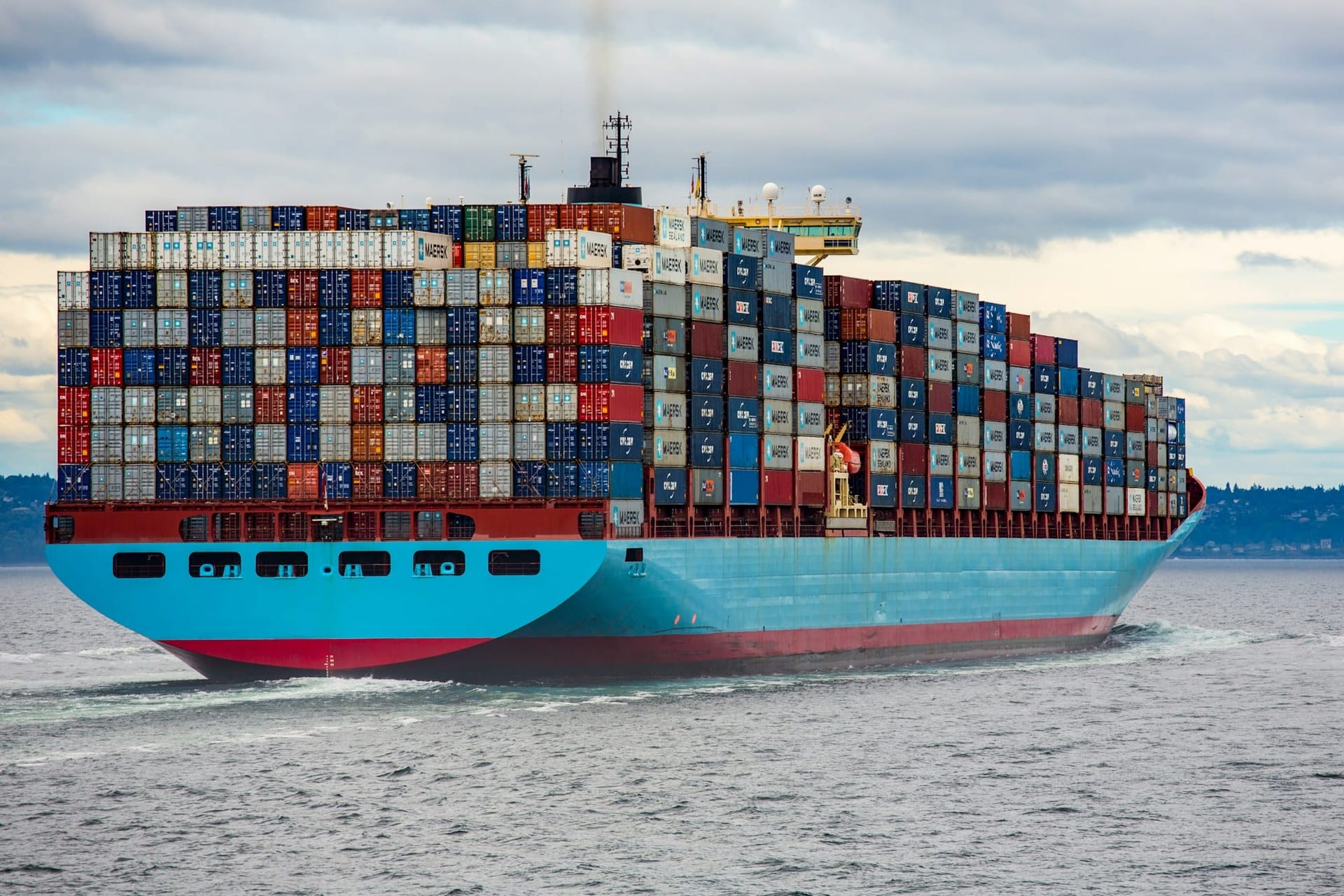
When the volume is large, sea freight is normally the more economical option. Bagged seed travels well in containers, either as a full container load or consolidated with other cargo as a part load when the quantity is smaller. Containers protect the bags from weather and handling during transit and allow the cargo to be delivered straight to a warehouse or split between customers. The decision between a full container and a part load depends on volume, how often you buy and how quickly the stock will be sold or planted. For regular importers, we can quote the options side by side so the cost per tonne and the timing are easy to compare. Port discharge, container return and trucking are planned together with the vessel arrival so that nothing waits for space once the cargo is released.
Moisture and heat are the main physical risks to seed in transit. A steel container can sweat when warm, humid cargo cools during a voyage, and condensation can wet bags and carton bases. As general practice, seed should be packed dry, loaded into a clean and dry container with sound floor and doors, and protected with liners or desiccant where the product calls for it. Palletised and shrink-wrapped loads hold their shape and keep bags off the floor, which also speeds up unloading and counting. Heat matters too, particularly for cargo that waits in yards or trucks, so we avoid leaving seed standing in direct sun where we can influence the handling. What suits a given product depends on the supplier's own packing and storage guidance, and we raise these points before loading, while they can still be corrected.
Seed has a short commercial window. A consignment that arrives after planting time may lose much of its value, so the useful starting point is the date the seed must be in the grower's hands, and the schedule is built backwards from there. Many importers order at the same time before a season, which tightens space on vessels and aircraft and puts pressure on trucks and warehouses. Booking early gives us room to choose a suitable sailing or flight, line up trucks and storage and leave time for supplier documents to be corrected before arrival. We ask importers to share quantities, supplier readiness dates and the required delivery window at the enquiry stage, even when the order is not final. A short buffer for delays at origin is sensible for any seed that has a fixed sowing date.
Seed shipments move more smoothly when the paperwork and the physical cargo match line for line. The commercial invoice, the packing list and the transport document should use the same product names, quantities, weights and consignee details, and the markings on bags and cartons should agree with them. Mixed lots, trial packs and several varieties in one consignment benefit from a clear packing list that identifies each item, so that a carrier, a broker or an inspector can match what is written to what is in front of them. We check draft transport documents before the cargo sails and ask the supplier to correct anything that does not agree. Required permits and certificates are the importer's and supplier's responsibility, and the licensed brokers of Arshad Sualeh Corporation work from the same document set that we hold.
Sea cargo arrives through Karachi Port or Port Qasim, and air cargo through Jinnah International Airport. Which port suits a seed shipment depends on the shipping line, the terminal and where the cargo is going next, and we advise on this when we quote. Bagged seed should be counted and checked for condition at discharge, with any damaged bags noted and recorded for a claim. Containers should be inspected for seal and door condition when they are collected. We coordinate movement within the port, including container pickup and delivery, and keep an eye on free time and detention so that avoidable charges do not build up. Customs and quarantine steps connected with the cargo are handled with the licensed brokers of our parent company, so port release and trucking stay on the same timetable.
Most seed completes its journey by road. We arrange full truckloads for large lots, part loads for smaller quantities and container haulage with the right trailer for the box. Heavy bagged seed is limited by axle weight rather than volume, so the loading plan considers tonnage as well as the number of bags. Covered vehicles protect bags from rain and dust, and loads should be secured against movement. Delivery to farm regions can mean long journeys on varied roads, so we confirm the receiving address, unloading arrangements and the hours at which the consignee can accept cargo before the truck leaves. Where seed is sold on to several customers, one container can go to a warehouse and be redistributed in smaller road shipments, which we can coordinate with storage.
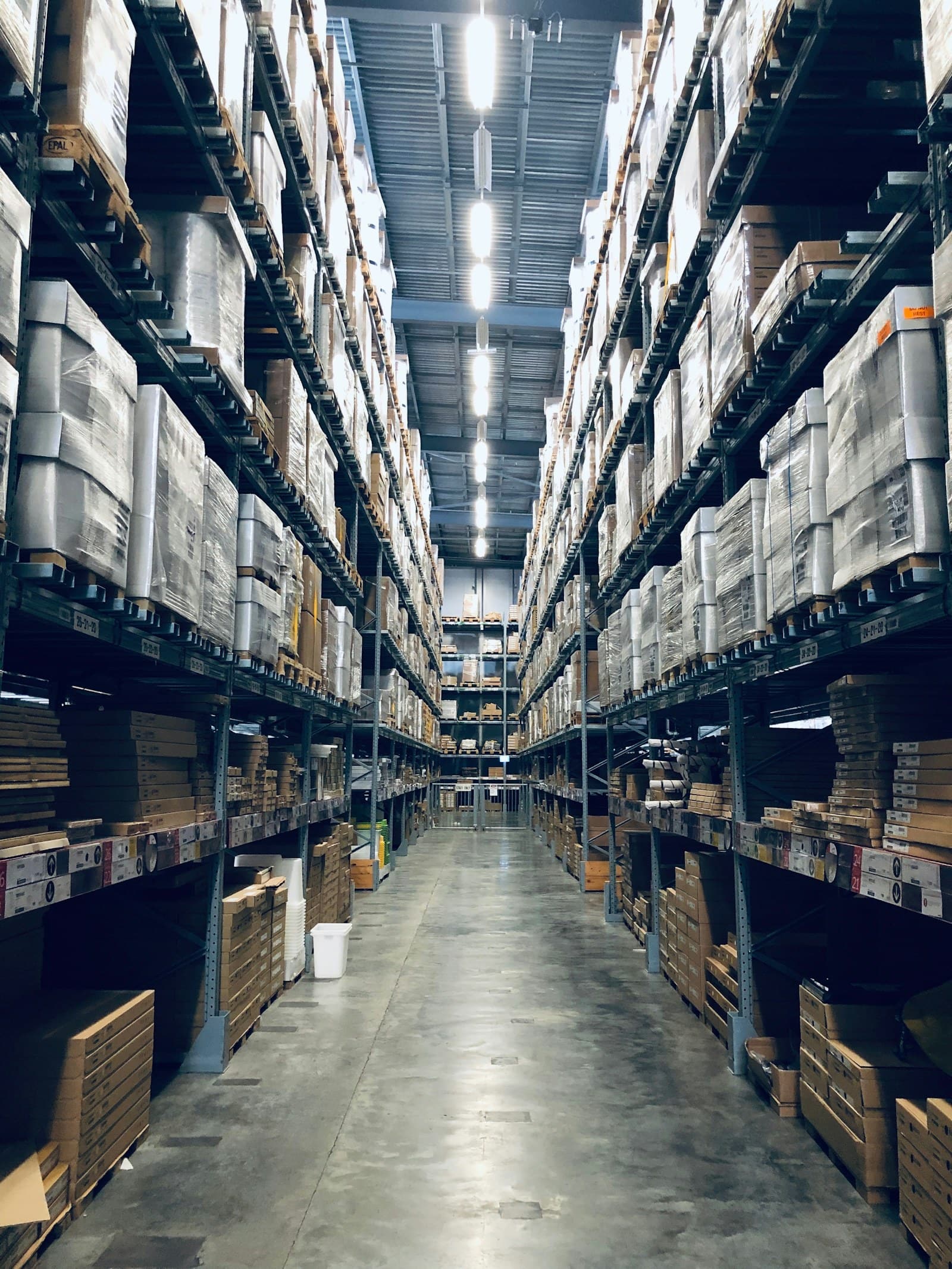
A seed distributor rarely sells an import parcel in one go. Warehousing in Karachi gives somewhere to hold stock between discharge and delivery, avoids port storage charges and lets cargo be sorted, counted and dispatched to different customers. Seed should be kept dry, off the ground and away from goods that could contaminate it, with lots recorded so that quantity and condition can be traced. Stock rotation, with older lots sent first, reduces the risk of seed ageing in storage. ASC Freight can coordinate storage and staged dispatch depending on the cargo and the space available at the time, and we agree handling and storage terms in advance so that you can plan stock levels. Because storage and transport sit within one logistics service, goods move from the warehouse to the next road shipment without extra handovers.
We start with the facts: the product, packing, weight, volume, origin, loading port and the date the seed must be delivered. From these we recommend air or sea, check space and routing with carriers, review the draft documents, plan port handling and trucking, and arrange storage if the goods will not go straight to the buyer. Any special care, such as moisture protection or heat avoidance, is written into the plan from the start. Shippers choose ASC Freight because air, sea, road and warehousing are managed by one team in Karachi, with customs clearance support through Arshad Sualeh Corporation, a customs clearance business. That gives one point of contact for the freight plan and the clearance. We give a frank view on options and limits, and we do not promise results that depend on carriers or regulators.
Seed imports are subject to plant health and quarantine requirements. Depending on the commodity and applicable regulations, importers may need documentation and approvals from the Department of Plant Protection (DPP).
ASC Freight helps importers coordinate the documentation required for seed clearance and supports the regulatory process alongside customs procedures.
Where required, an importer needs the applicable DPP import permit before bringing regulated plant material or seeds into Pakistan.
We assist clients by reviewing the relevant import documentation and coordinating the clearance process around the applicable DPP requirements.
A phytosanitary certificate may be required to demonstrate that imported seeds meet applicable plant-health requirements in the exporting country.
Our clearance team reviews the available phytosanitary documentation and coordinates the applicable inspection and quarantine procedures in Pakistan.
Imported seeds may be subject to plant quarantine inspection, treatment or other regulatory procedures depending on the commodity and applicable requirements.
We coordinate with the relevant authorities to help move eligible consignments through the required inspection and clearance stages.
Karachi is a major entry point for international cargo entering Pakistan. Seed consignments arriving by sea or air can require coordination between customs, plant quarantine authorities, shipping or airline documentation and the importer.
For sea shipments, we support the customs clearance process at Karachi's major port facilities, including documentation review, customs declaration, regulatory coordination and release procedures.
Our team works to ensure that the required documents are prepared before the shipment reaches the clearance stage.
For time-sensitive seed consignments arriving by air, we coordinate the applicable customs and regulatory clearance requirements at Karachi airport.
This can be particularly important for research, trial and other time-sensitive seed shipments.
Proper documentation helps prevent avoidable delays during customs and regulatory processing.
Depending on the shipment and applicable requirements, seed import documentation may include:
Documentation requirements can vary according to the seed type, origin, intended use and applicable regulations. We review the shipment before clearance and identify the documentation required for the specific consignment.
ASC Freight supports clearance for a range of seed consignments, subject to applicable import and regulatory requirements.
These may include:
For each shipment, we assess the commodity and applicable requirements rather than applying the same clearance process to every seed type.
Choosing an experienced customs clearance partner can simplify the coordination between customs and plant quarantine requirements. ASC Freight provides:
Our approach is focused on accurate documentation, regulatory coordination and efficient customs processing.
Our process
We review the shipment details and applicable DPP, phytosanitary and customs documentation before processing begins.
The available plant-health documentation is checked against the applicable requirements for the imported seed.
The required customs declaration is prepared and processed through the applicable customs systems, including WeBOC/PSW where applicable.
The shipment may undergo plant quarantine inspection, treatment or other applicable procedures before release.
Once customs and regulatory requirements have been completed, we coordinate the release process and onward delivery of the cleared shipment.
Why choose us
An experienced team with in-depth knowledge of import regulations, HS classification and clearance procedures.

We ensure 100% compliance with Pakistan Customs and every relevant regulatory authority, DRAP, DPP, PTA and more.
We value your time, an efficient WeBOC/PSW process that keeps clearance and delivery on schedule.
From documentation and OGA approvals to delivery, we handle everything with professional care.
A commitment to quality that has earned us the trust of valued importers across Pakistan.
FAQ
Air suits small, high-value or urgent lots, such as trial seed and samples, where speed matters more than freight cost. Sea suits larger bagged or palletised volumes, where cost per tonne matters. We compare both for your quantity and sowing date, and tell you plainly which one makes sense.
General practice is to pack seed dry, use a clean and dry container, palletise or shrink-wrap the load, and add liners or desiccant where the product calls for it. The right combination depends on the product and the supplier's guidance, so we discuss it with you before loading.
ASC Freight handles the movement of the cargo. Plant-quarantine and customs steps are coordinated with the licensed brokers of our parent company, Arshad Sualeh Corporation, who work from the same documents. This keeps the freight booking and the clearance on one timetable for the shipper.
As early as you can, ideally when the order is placed, because seed is tied to the sowing season and many importers book at the same time. Early booking gives room to choose space, arrange trucks and storage and correct supplier documents before the cargo arrives.
A DPP import permit is an applicable plant-quarantine authorization for regulated plant materials or seeds. Requirements depend on the commodity and applicable plant quarantine regulations.
Seed imports may require a phytosanitary certificate depending on the commodity and applicable plant-health requirements. The documentation should be reviewed before shipment.
Yes. We provide seed import customs clearance support in Karachi, including coordination of applicable customs and plant quarantine procedures for eligible sea shipments.
Yes. We support customs clearance for research and trial seed consignments, subject to the applicable import, documentation and regulatory requirements.
We support eligible agricultural, horticultural, hybrid, vegetable, field crop, fodder, oilseed and research/trial seed consignments.
Seed consignments can be subject to plant quarantine inspection, treatment or other applicable procedures. Requirements depend on the type and origin of the imported seed.
ASC Freight arranges the sea, air and road movement of pharmaceutical cargo into and out of Karachi, from active ingredients and excipients to finished medicines, surgical products and medical devices. We plan each shipment around its packing, its storage condition and the date the receiver needs it, then book carriers, coordinate terminal handling and organise delivery to the factory, warehouse or distributor. Regulatory approvals and customs filing are coordinated with the licensed brokers of our parent company, Arshad Sualeh Corporation, so the freight plan and the clearance file are built from the same shipment details.
ASC Freight arranges freight forwarding for pesticides, insecticides, herbicides, fungicides and other agrochemicals moving into and out of Pakistan. These products are often classed as hazardous goods, so the carrier, the packing, the container plan and the declaration all need attention before a booking is confirmed. We handle sea freight, air freight, road haulage and warehousing from Karachi. Permits and customs filing are coordinated with the licensed brokers of our parent company, Arshad Sualeh Corporation, so your shipment is followed by one team from booking to delivery. Send us the product and route for a plan.
ASC Freight ships computers, laptops, servers, networking gear and storage by air and sea. We compare air and sea against your delivery date, plan anti-static and shock-resistant packing, arrange insurance, and deliver to offices, data centres and warehouses. Customs filing is coordinated with the licensed brokers of our parent company, Arshad Sualeh Corporation.
Tell us what you are shipping and where. We will reply with options and an itemised freight quotation, usually within one business day.