Every import into Pakistan passes through the same official sequence: documents are prepared, a Goods Declaration is filed electronically, customs assesses the consignment and may examine it, duty and taxes are paid, and the cargo is released for delivery. The sequence rarely changes. What separates a three-day clearance from a three-week one is how much of it was prepared before the vessel or aircraft arrived.
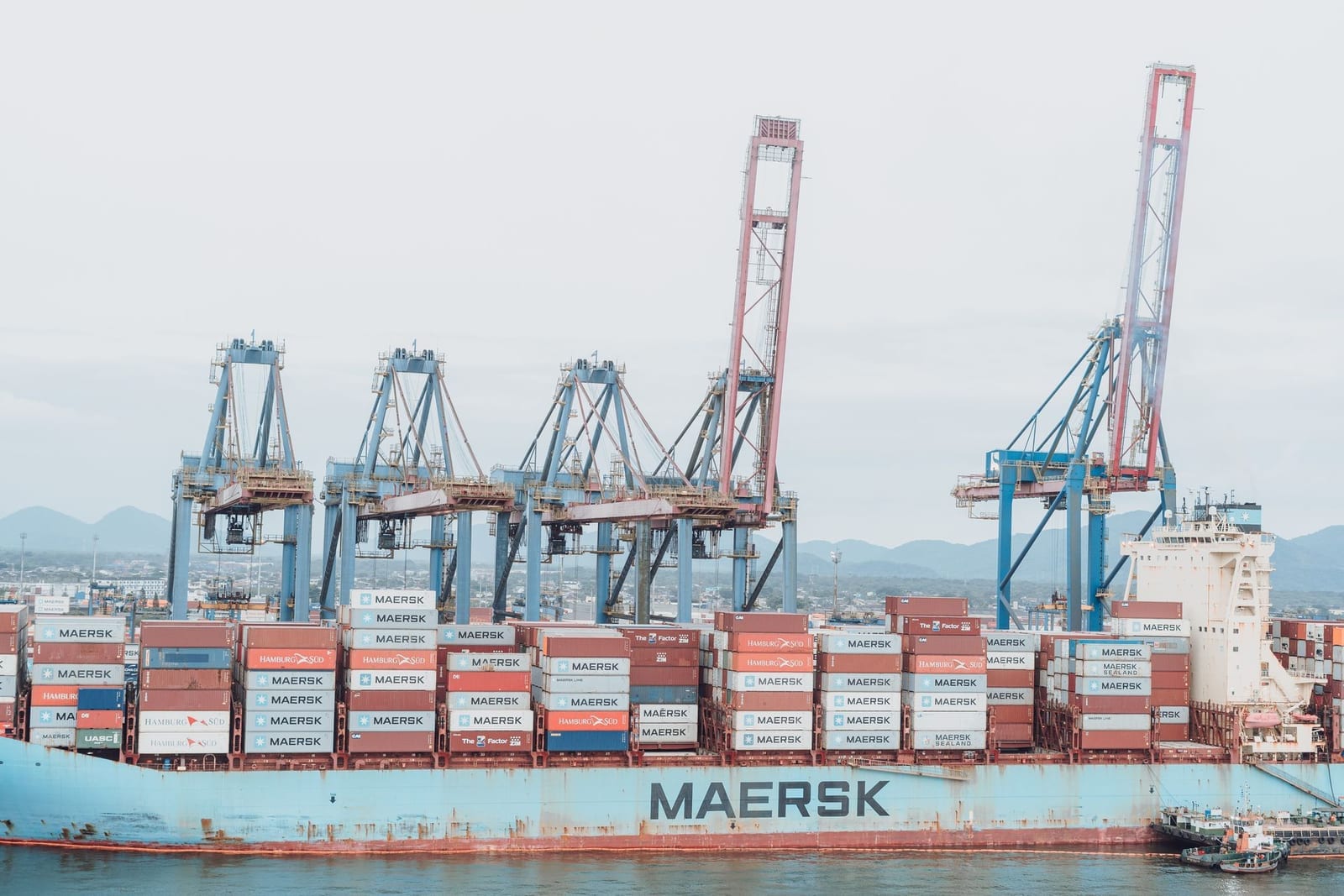
This guide walks through the process as it actually runs at Karachi Port, Port Qasim and Jinnah International Airport, including where importers most often lose time and money.
What customs clearance actually is
Customs clearance is the legal process of presenting imported goods to Pakistan Customs, declaring what they are and what they are worth, satisfying any regulatory conditions attached to them, paying the assessed duty and taxes, and obtaining authority to remove the cargo from customs control. Until that authority is issued, the goods are in customs custody and cannot lawfully leave the terminal.
Two facts follow from that definition and explain most clearance problems. First, the declaration is a legal statement, not an administrative form, so errors carry consequences beyond delay. Second, the clock runs while the cargo sits, and the terminal and the shipping line both charge for that time.
Step 1: Prepare the documents before arrival
Clearance begins at the point of order, not at the port. The core commercial set is the commercial invoice, the packing list and the transport document, which is a Bill of Lading for sea freight or an Air Waybill for air. Beyond that, the requirements depend entirely on what you are importing.
Product-specific paperwork is where preparation pays. A pharmaceutical consignment needs its regulatory authorisation in place; a seed consignment needs an import permit and a phytosanitary certificate from the exporting country; radio-enabled electronics need type approval. These approvals are issued by other government agencies, and none of them can be obtained quickly once the cargo has already landed.
Step 2: File the Goods Declaration
The declaration is filed electronically. Pakistan has run customs filing through WeBOC, the web-based one-customs system operated under the Federal Board of Revenue, and through the Pakistan Single Window, which connects customs with the banks, terminals and the regulatory agencies whose approvals sit alongside the entry. Pakistan Customs has announced that WeBOC is being replaced by a new customs digital management system, with the Pakistan Single Window Company as implementation partner, so importers should expect the filing environment to change and should confirm the current route before each entry.
A Goods Declaration states the tariff classification, the declared value, the origin, the quantity and the applicable exemptions or concessions. Each of those fields is a place where an entry can go wrong, and each is worth checking before submission rather than after assessment.
Step 3: Assessment, classification and valuation
Customs assesses the declaration against the tariff and against its own valuation data. Two questions dominate. Is the classification correct, and is the declared value acceptable?
Classification decides the duty rate, the taxes, and whether import policy conditions or concessions apply. It is governed by the legal texts of the tariff rather than by what a product is commonly called, which is why two similar-looking goods can sit in different headings with materially different duty. If you have not looked at HS code classification before ordering, you are discovering your landed cost after you have committed to it.
Valuation is the second front. Where customs does not accept the declared transaction value, it may assess on other bases, and the difference is payable before release. A documented commercial file, showing the contract, the payment route and comparable purchases, is what supports a declared value under challenge.
Step 4: Examination and the selectivity channels
Not every consignment is physically examined. Customs applies risk-based selectivity, routing declarations down different channels according to the assessed risk of the importer, the goods and the origin. In practice that means some consignments clear on documents alone, some receive a documentary check, and some are physically examined at the terminal.
Examination is not a punishment and it is not negotiable, but it is influenceable. A consistent compliance record, accurate declarations and complete documentation all reduce the likelihood of physical intervention over time. Misdeclaration does the opposite, and the effect persists across future consignments.
Step 5: Regulatory approvals from other agencies
For regulated cargo, customs is not the only authority involved. Depending on the product, clearance may require a release from the drug regulator, the plant protection service, the telecom authority or a standards body. These approvals run in parallel with the customs entry and each has its own documentary requirements and processing time.
- Medicines, medical devices and related products: authorisation from the drug regulatory authority
- Seeds, plants and plant products: import permit and phytosanitary certification, with quarantine inspection on arrival
- Radio-enabled devices: type approval from the telecom authority before the goods can be sold or connected
- Food products: health certification, labelling compliance and, in many cases, laboratory testing
- Chemicals and agrochemicals: registration, safety documentation and dangerous goods declarations
The practical rule is that regulated cargo needs a longer runway. Where an approval is issued against a specific consignment, obtain it before shipment rather than after arrival.
Step 6: Pay the duty and taxes
Once assessed, the payable amount is settled through the banking channel integrated with the filing system. The total is not a single duty. It is a stack that typically includes customs duty, additional customs duty, sales tax, income tax withheld at import, and regulatory duty where the tariff line attracts it. Because several of these are calculated on a base that already includes the ones below them, small changes at the bottom of the stack move the total more than importers expect. This is covered in detail in our guide to customs duty and taxes.
Step 7: Release, gate-out and delivery
After payment and any examination, customs issues release. The cargo still has to be physically taken out: the terminal handling charges and any accrued storage must be settled, the shipping line delivery order obtained, and transport arranged to lift the container or the loose cargo. Each of those is a separate counterparty, and a delay at any one of them keeps the clock running.
For upcountry consignees, the inland leg starts here. Whether the container moves on a trailer or the cargo is destuffed at the port changes both cost and risk, and it is worth deciding before the box is ready rather than on the day.
How long does clearance take?
There is no single answer, and any figure quoted without conditions should be treated with suspicion. A straightforward, well-documented consignment with no regulatory conditions and no examination can clear quickly. A regulated consignment awaiting an agency release, or one where classification or value is disputed, can take substantially longer.
The variables that actually drive the timeline are the completeness of the documents, whether any other agency has to act, whether the consignment is selected for examination, and how quickly duty is paid. Three of those four are within the importer's control before the cargo arrives.
Where clearance costs money unnecessarily
- Documents that arrive after the cargo, so filing cannot begin on time
- A classification chosen for its duty rate rather than its legal correctness, which surfaces later as a recovery case
- Regulatory approvals started after arrival, while storage accrues daily
- Free time at the terminal and with the shipping line running out before release, so demurrage and detention begin
- No plan for the inland leg, leaving a cleared container sitting in the yard
None of these are exotic failures. They are ordinary sequencing problems, and they are the reason two importers bringing identical goods through the same terminal in the same week can land them at noticeably different cost.
Working with a clearing agent
Registered importers may file their own declarations, but most businesses appoint a licensed customs agent. Classification, valuation defence and regulatory coordination are specialised work, and the cost of getting them wrong usually exceeds the cost of professional handling. What a good agent contributes is not simply filing capacity but judgement applied before the entry is submitted.
ASC Freight has handled clearance at Karachi's terminals since 1988, and coordinates the customs clearance and onward freight forwarding legs through one team so the handover between them does not become another delay.
- customs clearance
- WeBOC
- PSW
- Goods Declaration
- Karachi port