

01
Expertise
An experienced team with in-depth knowledge of import regulations, HS classification and clearance procedures.

Pharmaceutical raw materials · Freight forwarding
ASC Freight, part of Arshad Sualeh Corporation in Karachi, forwards active pharmaceutical ingredients (APIs) and excipients to manufacturers in Pakistan. We plan the booking, the main leg by sea or air, port or airport handling, and inland delivery to your plant or warehouse around what the material is and how it is packed. Approvals and customs filing are coordinated with the licensed brokers of our parent company, Arshad Sualeh Corporation, so the freight plan and the clearance file are built from the same shipment details.
What we handle
Every consignment type this desk files, examined and released under the correct regulatory workflow.
Clearance of APIs and drug substances for tablet, capsule, liquid and injectable manufacturing.
Clearance of binders, fillers, solvents, coatings and other excipients used in formulation.
Clearance of primary and secondary pharmaceutical packaging materials imported with your inputs.
We apply online for the DRAP clearance certificate for raw and packaging materials via PSW.
Correct HS-code classification and duty / sales-tax assessment to protect your landed cost.
Compliance with the DRAP raw-material clearance route and correct HS classification of manufacturing inputs.
Active pharmaceutical ingredients and excipients are the inputs a manufacturer needs on a predictable date, so the freight plan matters as much as the purchase order. ASC Freight books space with carriers, arranges the main leg by sea or air, coordinates handling at the gateway and arranges delivery to the manufacturing site. We start from the facts of the cargo: the material, the quantity, the packaging, the stated storage instruction, the origin, the incoterm and the date the plant needs it. Shippers who send these details at enquiry stage receive a more useful plan than those who ask only for a rate. Our team works from Karachi and is part of Arshad Sualeh Corporation, so approvals and customs filing are coordinated with the licensed brokers of the parent company rather than handled by a stranger to the shipment.
The choice between air and sea depends on the material, the volume and the production calendar. Air freight suits urgent consignments, small quantities, high value per kilogram and materials that should not spend a long time in transit, for example a batch needed to restart a stalled line. Sea freight suits regular, larger and planned supply, where drums, bags or IBCs move in containers and the longer transit is acceptable. Many manufacturers use both, with sea for the routine programme and air as a safety valve. Air freight is charged on the greater of actual and volumetric weight, so bulky light packing costs more than its scale weight suggests. ASC Freight compares the options with the shipper using the product's storage limits, the deadline, the cargo volume and the cost, and we do not promise transit times that depend on carriers and schedules.
Pharmaceutical raw materials usually travel in fibre or steel drums, multi-layer paper or plastic bags, or intermediate bulk containers for liquids and larger volumes. Whatever the format, packaging should be sound, clean, sealed and suitable for the journey, because damaged or leaking packs are a cause of rejection by carriers and of loss to the consignee. Drums and bags are normally palletised and secured, with wrapping or liners to protect against dust and moisture, and pallets should be sized to fit the container or the aircraft position. Liquids and solvents need containers made for them, and some solvents are classed as dangerous goods with their own packing and declaration rules. We ask the supplier to confirm the packing type, pack counts, gross weights and pallet dimensions before booking, so that equipment is chosen correctly and the cargo is not turned away or repacked at the last minute.
Many APIs and excipients are sensitive to heat, humidity or both, and the manufacturer's storage instruction should drive how the cargo is moved. As general practice, dry materials benefit from sealed inner liners, desiccant where the supplier specifies it, dry and clean containers, and avoiding long waits in direct sun or open yards. Materials that must stay within a stated range may need a refrigerated container, known as a reefer, or an airline arrangement suited to temperature-sensitive freight. ASC Freight can arrange suitable equipment and brief carriers and drivers on the instruction, but we do not guarantee a particular temperature or humidity result, because it depends on the product, the packing, the equipment and the handling of every party. Please tell us the required range, any maximum time out of range and any logging requirement before booking, so the right option is selected at the start.
Carriers accept cargo on the basis of what the paperwork and the markings say it is. Each pack should carry clear labels showing the product name, batch or lot reference where the supplier uses one, gross weight, handling marks such as keep dry or this way up, and the consignee details. Labels should be durable, legible and consistent with the packing list. Where a material is classed as dangerous goods, for example certain solvents, it must be declared, packed, marked and documented as the applicable rules require, or the carrier will refuse it. Airlines and shipping lines each have their own acceptance conditions, cut-offs and documentary requirements, and ASC Freight checks these when booking so that the supplier is told what to prepare before cargo is tendered. Clear labelling also helps the receiving team identify and store each batch correctly when the shipment reaches the plant.
On the freight side, ASC Freight handles the booking confirmation, the bill of lading or airway bill, delivery orders and the coordination of carrier and terminal paperwork. The commercial invoice, packing list and transport document should agree on the consignee, the product description, quantities, weights, pack counts and marks. A mismatch, such as a different drum count on the packing list and the bill of lading, can hold cargo while it is explained and corrected. We ask for draft documents before dispatch so that errors are found while they are still easy to fix. Approvals, certificates and customs filing that a raw material import needs are processed by the licensed brokers of our parent company, Arshad Sualeh Corporation, and we pass them the freight documents and arrival details they need. The importer remains responsible for holding the licences and registrations that apply to its own business.
Pharmaceutical raw materials usually enter Pakistan through Karachi Port, Port Qasim or Jinnah International Airport, and each has its own terminal procedures, storage terms and collection arrangements. Sea cargo is discharged, passes terminal gate procedures and waits for release, while air cargo sits in airline or terminal warehouses with a limited free storage period before charges start. Knowing the gateway in advance lets us plan trucking, documentation and collection windows. For raw materials the practical aim is to keep time at the terminal short, especially for moisture or temperature sensitive product. That means sharing the arrival notice and documents early, confirming the consignee and delivery address, and having the truck ready when the cargo is released. ASC Freight coordinates with the parent company's clearance team so that physical movement can follow the formalities without avoidable gaps.
Once released, raw materials travel by road to the manufacturing plant or to a warehouse. ASC Freight arranges full and part loads and container haulage, and temperature-controlled transport where the cargo needs it. Plants differ in access, with set receiving hours, gate checks and limited offloading space, so we ask for the full address, a contact person, access restrictions and the offloading method, such as forklift or manual unloading. Where the plant is not ready to take the whole shipment, our logistics and warehousing service can hold cargo in Karachi, receive and count it, palletise it and release it in parts to match production. We ask the shipper to state the storage condition, the expected holding period and who may collect the stock. Proof of delivery is collected so the movement can be closed, and we plan the departure window around Karachi traffic rather than assuming a direct run.
Planning begins with a short review of the cargo: the material, quantity, packing, origin, storage instruction and the date the plant needs it. From that we choose the mode, identify the equipment and handling steps required, and check that the draft documents agree. We then confirm the booking and brief the carrier, the terminal and the delivery team. During transit we track the movement and keep the shipper informed at the main points, such as departure, arrival and release. Customs filing and approvals run in parallel through the licensed brokers of Arshad Sualeh Corporation, and we line up the truck so delivery follows release. After delivery, any delay, documentary query or handling concern is reviewed with the shipper so that the next booking runs better. Manufacturers with repeat programmes benefit most, because the same checks can be applied to every shipment.
ASC Freight is the freight forwarding arm of Arshad Sualeh Corporation, so forwarding and customs clearance are coordinated rather than split between unrelated parties. For a pharmaceutical manufacturer, that reduces the gaps that appear when a forwarder books cargo without knowing what the clearance file needs, or a broker learns of a shipment only when it arrives. We cover sea freight, air freight, road freight and logistics and warehousing from one Karachi team. We try to be practical and straightforward: we ask the right questions at the start, say clearly what we can arrange and what depends on the supplier or the manufacturer, and do not promise results we cannot control. Manufacturers and importers who want a forwarder that plans around the needs of APIs and excipients can send us their shipment details for review.
For a pharmaceutical manufacturer, a delayed API shipment is a stalled batch. Pakistan imports the large majority of its active ingredients, mainly from China and India, so raw-material clearance sits directly on your production critical path. We treat it that way, filing DRAP raw-material clearance certificates promptly and reconciling every certificate of analysis, batch number and quantity against the declaration.
Because APIs and excipients are classified and dutied differently from finished drugs, getting the HS code right matters to both compliance and cost. Our team classifies each item correctly, applies the right assessment and flags any concessionary treatment your inputs may qualify for.
DRAP requires a clearance certificate for raw and packaging materials, applied for online with the requisite documents. We prepare that submission, link it to your Goods Declaration on PSW and carry it through the Assistant Drug Controller's review, so the paperwork is clean and the certificate is ready when the vessel arrives.
The result is fewer queries, less demurrage and a predictable, repeatable clearance you can plan production around, shipment after shipment.
APIs, excipients and packaging materials are cleared under DRAP with Pakistan Customs.
Our process
We collect your invoice, packing list, B/L, COA and manufacturing licence.
We file the online clearance-certificate request for raw / packaging materials on PSW.
We follow up the Assistant Drug Controller review to issuance.
We file the GD on WeBOC/PSW with the raw-material clearance certificate, then handle assessment and examination.
Cleared inputs are delivered to your manufacturing facility on schedule.
Why choose us
An experienced team with in-depth knowledge of import regulations, HS classification and clearance procedures.

We ensure 100% compliance with Pakistan Customs and every relevant regulatory authority, DRAP, DPP, PTA and more.

We value your time, an efficient WeBOC/PSW process that keeps clearance and delivery on schedule.
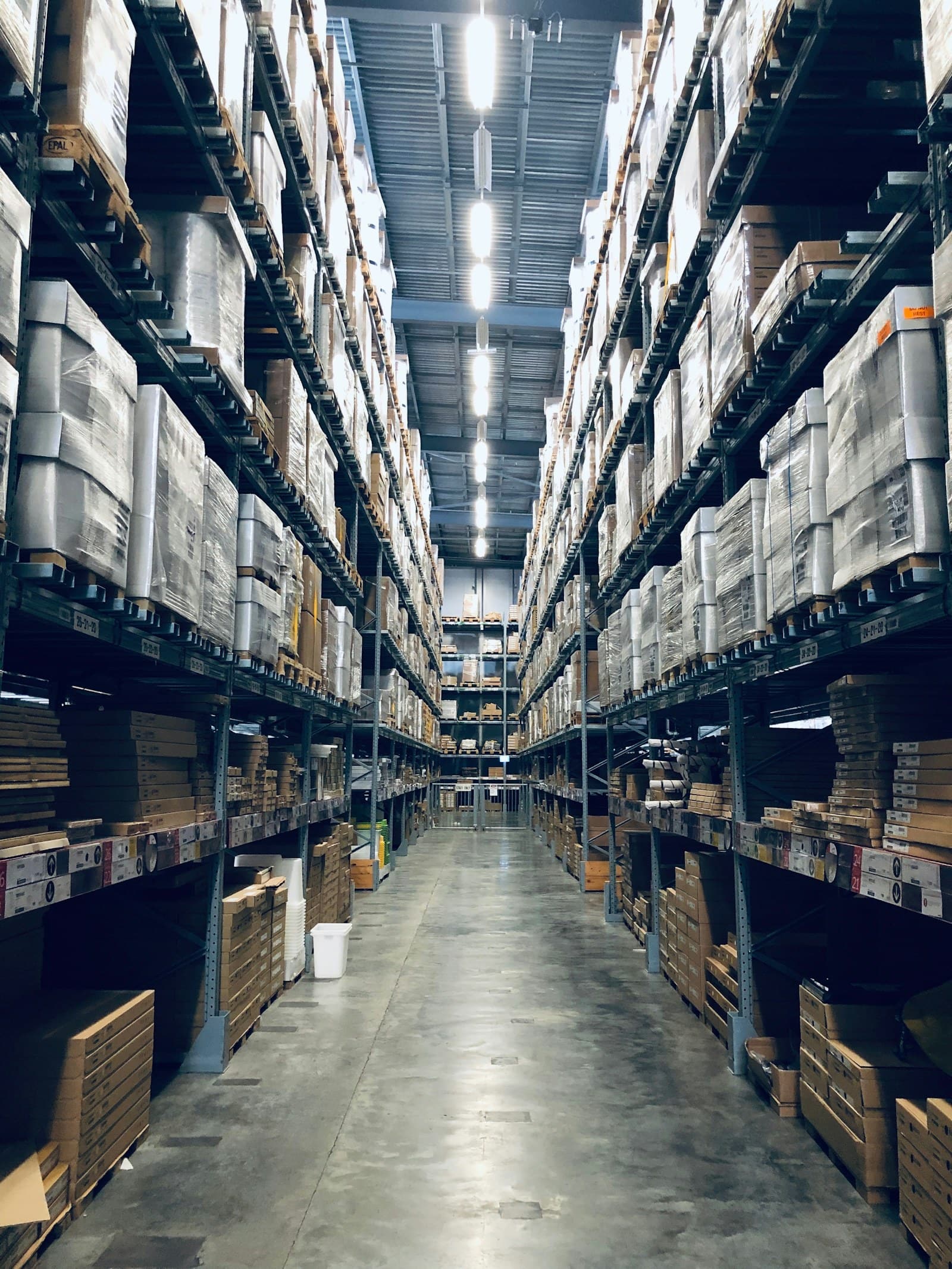
From documentation and OGA approvals to delivery, we handle everything with professional care.

A commitment to quality that has earned us the trust of valued importers across Pakistan.
FAQ
Yes. We forward active pharmaceutical ingredients and excipients, packed in drums, bags or IBCs, by sea and by air. We need the material, pack type, quantity, weights, origin and any storage instruction before booking, so that suitable equipment and handling are arranged for the cargo.
Where a material has a stated storage range, we can arrange reefer containers, temperature-controlled trucks and suitable air handling. Please give us the required range and any maximum time out of range before booking. We arrange the equipment and brief the carriers, but we do not guarantee a specific temperature result.
The importer holds the licences and registrations that apply to its business. Approvals and customs filing are coordinated with the licensed brokers of our parent company, Arshad Sualeh Corporation, and we align booking, arrival and release dates with their file so the freight and clearance sides work together.
Send the material name, pack type and count, gross weight, pallet dimensions, origin and destination, incoterm, storage condition, target arrival date and draft invoice and packing list. If the cargo is sensitive to heat or moisture, include the required range or handling instruction so we can choose suitable equipment.
Raw and packaging materials are cleared against an online DRAP clearance certificate applied for through PSW, backed by your valid manufacturing / import licence. This is distinct from the registration route for finished drugs. We handle the raw-material certificate end to end.
Yes. We clear the full basket of manufacturing inputs, active ingredients, excipients and primary/secondary packaging, under one coordinated filing where they arrive together.
By classifying each item under the correct HS code, applying the right duty and sales-tax treatment, and identifying any concession your inputs qualify for. You get a landed-cost estimate before we file.
Absolutely. For manufacturers running continuous import programmes we standardise the documentation and pre-check each shipment, so clearance becomes predictable and timed to your production schedule.
Usually a COA/batch mismatch, an incomplete DRAP certificate or an HS-code query. Our pre-arrival review is built specifically to catch these before the goods land.
ASC Freight arranges the freight movement of finished pharmaceutical medicines into and out of Karachi, including tablets, capsules, syrups, injectables and biologicals. We plan the mode, book the carrier, coordinate the terminal and arrange delivery to your distributor or warehouse, with attention to time and storage limits. Approvals and customs filing are coordinated with the licensed brokers of our parent company, Arshad Sualeh Corporation, so the freight plan and the clearance file are built from the same shipment details.
Pharmaceutical shipments that need regulatory approvals before release are easier to move when the freight is planned around the approval timeline, rather than booked first and adjusted later. ASC Freight, the freight forwarding arm of Arshad Sualeh Corporation in Karachi, plans booking, arrival, storage and delivery with that timeline in view. The approvals themselves are handled by the licensed brokers of our parent company, Arshad Sualeh Corporation. We keep the shipment plan and the broker's file aligned, so cargo is not left waiting at the port for want of a date or a document.
ASC Freight plans and moves surgical products and medical devices into Karachi by sea, air and road, from boxed consumables to crated imaging equipment. We book carriers, arrange packing guidance, insurance, port or airport handling and delivery to hospitals and distributors. Approvals and customs filing are coordinated with the licensed brokers of our parent company, Arshad Sualeh Corporation, so the freight plan and the clearance file are built from the same shipment details. Send us the product type, packing, weight, dimensions, origin and your required arrival date, and we will propose a routing and handling plan.
Tell us what you are shipping and where. We will reply with options and an itemised freight quotation, usually within one business day.