

01
Expertise
An experienced team with in-depth knowledge of import regulations, HS classification and clearance procedures.
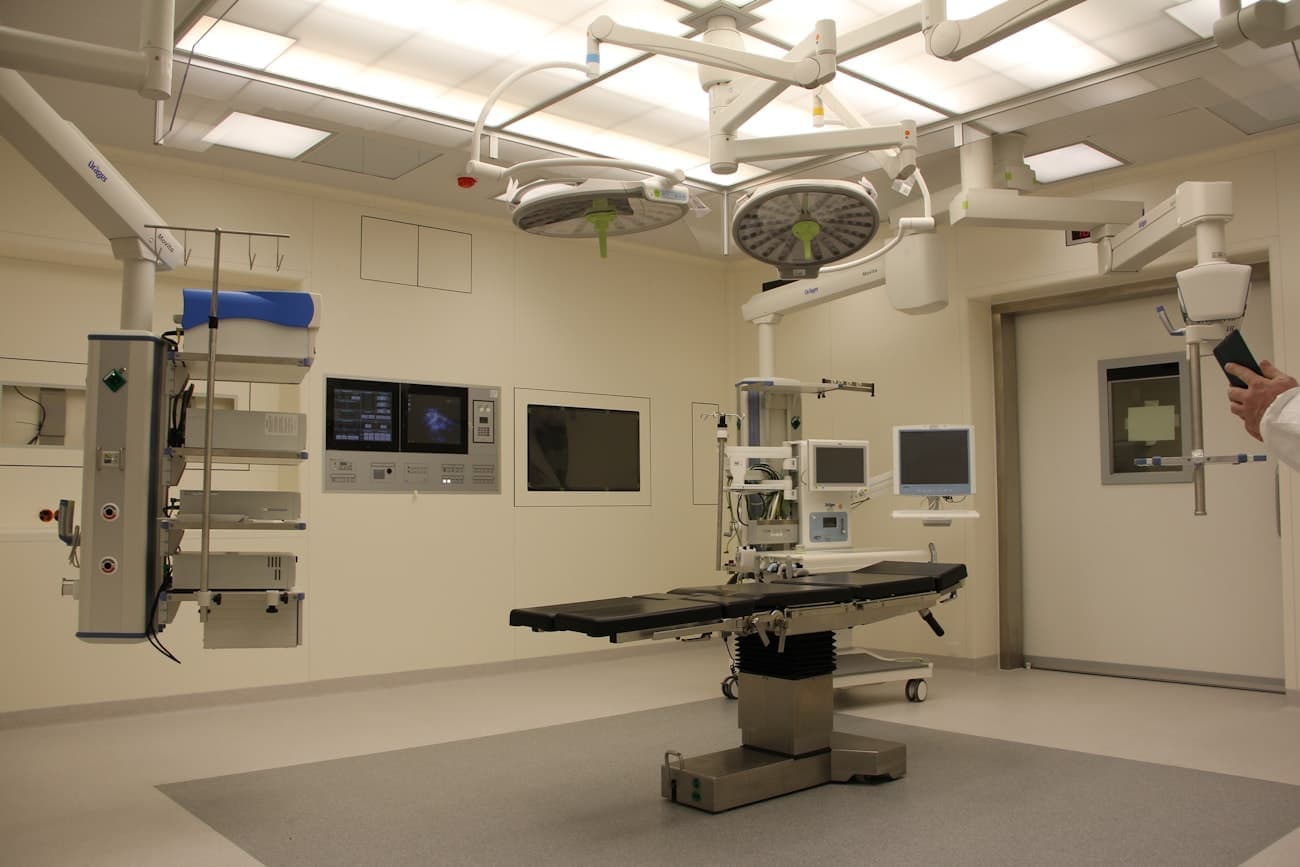
Surgical products and medical devices · Freight forwarding
ASC Freight plans and moves surgical products and medical devices into Karachi by sea, air and road, from boxed consumables to crated imaging equipment. We book carriers, arrange packing guidance, insurance, port or airport handling and delivery to hospitals and distributors. Approvals and customs filing are coordinated with the licensed brokers of our parent company, Arshad Sualeh Corporation, so the freight plan and the clearance file are built from the same shipment details. Send us the product type, packing, weight, dimensions, origin and your required arrival date, and we will propose a routing and handling plan.
What we handle
Every consignment type this desk files, examined and released under the correct regulatory workflow.
Clearance of surgical instruments, consumables, sutures and operating-theatre supplies.
Clearance of registered medical devices across risk classes A to D.
Clearance of in-vitro diagnostic kits, reagents and laboratory devices.
Clearance of imaging, monitoring and other electro-medical equipment.
We verify DRAP registration / Establishment Licence and process the import NOC on PSW.
Compliance with the Medical Devices Rules, 2017, matched to the device's risk class and Pakistan Customs assessment.
Surgical products and medical devices cover two very different kinds of freight. Consumables such as gloves, syringes, dressings, sutures and single-use instruments usually travel as many cartons on pallets, where volume, stacking strength and carton condition drive the plan. Equipment such as monitors, ultrasound units, laboratory analysers, operating tables and imaging systems travels as fewer, heavier and more valuable packages, where shock, tilt and lifting points matter more than carton count. ASC Freight, part of Arshad Sualeh Corporation in Karachi, asks first which type of cargo it is, then chooses the mode, container type and handling steps to suit. Mixed consignments are common, and we plan them so that fragile equipment is not loaded under heavy cartons. If you give us the product list, quantities, gross weights, dimensions, origin and incoterm at enquiry stage, we can compare routings properly instead of quoting from a single line of description.
Sterile products depend on their packaging staying intact, so the freight plan should protect it. Sterile barrier packs, blister packs and boxed instrument sets should be packed in sound outer cartons, palletised where possible, and wrapped so that moisture and dust cannot reach them. Cartons should not overhang the pallet edge, because crushed corners are one of the most common causes of damage claims. Fragile devices need cushioning, immobilised internal parts and clear handling marks on every side. We do not set the manufacturer's packing standard, and we cannot repair a sterile barrier once it is broken, so we advise shippers to follow the manufacturer's instructions and to photograph packing before dispatch. Any storage instruction, such as keep dry or avoid extreme heat, should be marked on the cartons and given to us so that it can be passed to carriers, terminals and the delivery team.
Large equipment such as CT and MRI components, X-ray systems, sterilisers and surgical tables is usually shipped in export-grade crates or on skids with shock and tilt indicators. Before booking, we gather each package's weight, dimensions, centre of gravity and lifting points from the shipper or manufacturer, because these decide the equipment, container type and trucks needed. Some pieces fit in a standard container, while oversized or very heavy items may need an open-top, flat rack or break-bulk arrangement, or a dedicated air booking. At the Karachi end, ASC Freight arranges suitable trucks, lifting gear and offloading support for the inland leg. Where the manufacturer's engineers specify how a unit must be lifted or kept upright, that instruction should reach us before the cargo ships, so it can be briefed to every party that handles the crate and nobody has to guess on the dock.
Air freight is the usual choice when a hospital is waiting for a replacement part, when stock is running short, or when the cargo has high value for its weight. Typical examples are spare parts for a machine that is out of service, small volumes of surgical instruments, and urgent restocking of consumables. ASC Freight books space with airlines serving Jinnah International Airport in Karachi and coordinates the booking, the airway bill and handover to the airline cargo terminal. Chargeable weight is based on the greater of actual and volumetric weight, so bulky lightweight cartons can cost more than their scale weight suggests. Batteries, compressed gas cylinders and some reagents are dangerous goods for air transport and must be declared and packed correctly before an airline accepts them. Cargo should be ready ahead of the airline cut-off, and the consignee should be prepared to collect promptly on arrival.
Sea freight suits planned replenishment, heavy equipment and large volumes where a longer transit is acceptable and freight cost matters. Consumables for a distributor can move in full container loads, while smaller importers may consolidate with other cargo in less than container loads. ASC Freight arranges bookings with ocean carriers, advises on container type and loading, and coordinates the move to Karachi Port or Port Qasim. Good loading practice matters for medical cargo. Cartons should be stowed to stop movement, heavy items should sit low, fragile equipment should be braced, and the container should be dry and clean before loading. Sea transit leaves more room for delays than air, so planning from the order date, rather than from the day the goods are ready, gives the importer a buffer. We discuss the available options, and the trade-off between cost and time, before the booking is made, so the choice is deliberate.
Medical equipment is often costly, and a single damaged package can represent a large loss. Carrier liability is usually limited by weight and by the terms of the transport contract, and it may fall well short of the value of the goods, so marine cargo insurance is worth considering for most device shipments. Cover is arranged on the invoice value, often with an allowance on top, and the terms should be agreed before the cargo ships, not after a problem appears. ASC Freight can discuss insurance with the shipper as part of the booking, but the policy terms, exclusions and claims process are set by the insurer. Shippers should also read what the policy says about packing, because claims for damage caused by inadequate packing can be disputed. Keeping photographs of the cargo at loading, the delivery receipt and any damage notes made on arrival makes a later claim much easier to support.
On the freight side, the key documents are the commercial invoice, the packing list, and the bill of lading or airway bill, along with the booking confirmation and the delivery order once the carrier releases the cargo. They should agree on the consignee, the product description, quantities, weights, packaging counts and marks. A mismatch, such as a different carton count on the packing list and the transport document, can hold cargo while it is explained and corrected. Descriptions should be specific enough to show what the product is, rather than a general term such as medical goods. We ask for drafts before dispatch so that errors are fixed while it is still easy to do so. Approvals that a product may need before import, and the customs filing itself, are handled by the licensed brokers of our parent company, Arshad Sualeh Corporation, and we coordinate booking and arrival dates with their file.
Karachi Port, Port Qasim and Jinnah International Airport each have their own gate procedures, storage terms and collection windows, so knowing the gateway early helps us plan trucking and timing. For medical cargo the practical aim is to keep time at the terminal short, which means sharing the arrival notice and documents early and arranging the truck to be ready when the cargo is released. After release, ASC Freight arranges road delivery to hospitals, clinics, distributors and warehouses. Hospitals often have restricted gates, fixed receiving hours and limited offloading space, and many distributors work by delivery appointment. We ask for the full address, a contact person, access rules and the offloading method, such as dock, forklift or manual, and we book the delivery slot where one is required. Where several drops are planned, we sequence them so the most urgent comes first, and we collect proof of delivery.
Not every shipment goes straight from the port to its final destination. A hospital project may need equipment delivered in stages so that each item arrives when the installation room is ready, and a distributor may want a consignment split into several orders. ASC Freight's logistics and warehousing service arranges storage and handling in Karachi as the cargo requires, including receiving, counting, labelling, palletising, short-term holding and dispatch. We ask shippers to tell us about storage conditions, the expected holding period, whether stock will be released in parts, and who is authorised to collect it. Clear packing lists with matching quantities and item descriptions make receiving and later dispatch smoother. Storage should be discussed before the cargo arrives, so the space and handling equipment are ready. We do not offer conditions we have not confirmed, so any special requirement is checked with the facility before it is promised.
Planning starts with a short review of the cargo, its packing, the origin, and the date the receiver needs it. We then choose air, sea or a combination, identify the equipment and handling steps, check that draft documents agree, and brief the carriers, terminal and delivery team. During transit we keep the shipper informed at main points such as departure, arrival and release. ASC Freight is the freight forwarding arm of Arshad Sualeh Corporation, so forwarding and customs clearance are coordinated rather than split between unrelated parties, which reduces the gaps that appear when a forwarder books cargo without knowing what the clearance file needs. We cover sea freight, air freight, road freight and logistics and warehousing from one Karachi team, and we say clearly what depends on the shipper or the manufacturer. Importers, distributors and hospitals can send their shipment details for review.
Medical devices and surgical products are regulated by DRAP under the Medical Devices Rules, 2017, overseen by its Medical Devices & Medical Cosmetics Division. Depending on the device and its risk class, clearance can require a valid registration, an Establishment Licence held by the local importer and an import NOC. We check exactly what your product needs and prepare the submission accordingly.
From single-use surgical consumables to Class C and D electro-medical equipment, we classify correctly, reconcile the documentation and process the import authorisation on PSW, so devices are cleared compliantly rather than held for a registration question.
Many importers bring in a mix, instruments, consumables, diagnostic kits and equipment, on the same invoice. We clear the whole consignment together, matching each line to its correct treatment, and coordinate the import NOC with the customs entry so approval and release stay in step.
Where a foreign manufacturer supplies through a local authorised representative, we work with that structure and keep the paper trail clean, shipment after shipment.
Devices and surgical products are cleared under DRAP's Medical Devices regime with Pakistan Customs.
Our process
We review invoice, packing list, B/L and DRAP registration / licence details.
We confirm registration status and prepare the import NOC request on PSW.
We follow up DRAP's Medical Devices review through to authorisation.
We file the GD on WeBOC/PSW against the device registration and NOC, then manage assessment and examination.
Devices are released and delivered safely to your facility.
Why choose us
An experienced team with in-depth knowledge of import regulations, HS classification and clearance procedures.

We ensure 100% compliance with Pakistan Customs and every relevant regulatory authority, DRAP, DPP, PTA and more.

We value your time, an efficient WeBOC/PSW process that keeps clearance and delivery on schedule.

From documentation and OGA approvals to delivery, we handle everything with professional care.

A commitment to quality that has earned us the trust of valued importers across Pakistan.
FAQ
Yes. We arrange consumables as palletised or containerised cargo and equipment as crated or oversized freight by sea, air and road. We need product type, weights, dimensions, packing details and the required arrival date, so we can choose the right mode, equipment and handling plan for each shipment.
Air suits urgent supplies, spare parts, small volumes and high-value items, while sea suits heavy equipment and planned bulk stock where a longer transit is acceptable. The decision depends on the receiver's deadline, cargo volume, packing and cost, and we help compare the options before booking.
Approvals and customs filing are coordinated with the licensed brokers of our parent company, Arshad Sualeh Corporation. The importer holds any registrations the product needs, and we line up booking, arrival and delivery dates with the brokers so the freight and clearance sides stay in step.
Yes. We arrange road delivery to hospitals, clinics, distributors and warehouses, and we book delivery slots where the receiver uses appointments. Please send the full address, a contact person, access restrictions and the offloading method, and we will plan the delivery window and collect proof of delivery.
DRAP, through its Medical Devices & Medical Cosmetics Division and the Medical Device Board, under the Medical Devices Rules, 2017. Clearance is coordinated with Pakistan Customs on WeBOC/PSW.
Requirements depend on the device and its risk class. Many devices require a valid registration and an import NOC, and the importer typically needs an Establishment Licence. We confirm the exact pathway for your product before you ship.
Devices are classified by risk from Class A (low) to Class D (high), consistent with the international model. Classification affects the registration and documentation route, we make sure your product is treated correctly.
Yes. With registration confirmed and the NOC in hand, surgical instruments and consumables clear efficiently. We prepare the NOC in parallel with the customs filing to avoid a gap.
Foreign manufacturers generally supply through a local authorised representative / market authorisation holder. We work within that structure and keep the documentation aligned for clearance.
ASC Freight, part of Arshad Sualeh Corporation in Karachi, forwards active pharmaceutical ingredients (APIs) and excipients to manufacturers in Pakistan. We plan the booking, the main leg by sea or air, port or airport handling, and inland delivery to your plant or warehouse around what the material is and how it is packed. Approvals and customs filing are coordinated with the licensed brokers of our parent company, Arshad Sualeh Corporation, so the freight plan and the clearance file are built from the same shipment details.
ASC Freight arranges the freight movement of finished pharmaceutical medicines into and out of Karachi, including tablets, capsules, syrups, injectables and biologicals. We plan the mode, book the carrier, coordinate the terminal and arrange delivery to your distributor or warehouse, with attention to time and storage limits. Approvals and customs filing are coordinated with the licensed brokers of our parent company, Arshad Sualeh Corporation, so the freight plan and the clearance file are built from the same shipment details.
Pharmaceutical shipments that need regulatory approvals before release are easier to move when the freight is planned around the approval timeline, rather than booked first and adjusted later. ASC Freight, the freight forwarding arm of Arshad Sualeh Corporation in Karachi, plans booking, arrival, storage and delivery with that timeline in view. The approvals themselves are handled by the licensed brokers of our parent company, Arshad Sualeh Corporation. We keep the shipment plan and the broker's file aligned, so cargo is not left waiting at the port for want of a date or a document.
Tell us what you are shipping and where. We will reply with options and an itemised freight quotation, usually within one business day.